
Academia’s View of the Pipeline and More
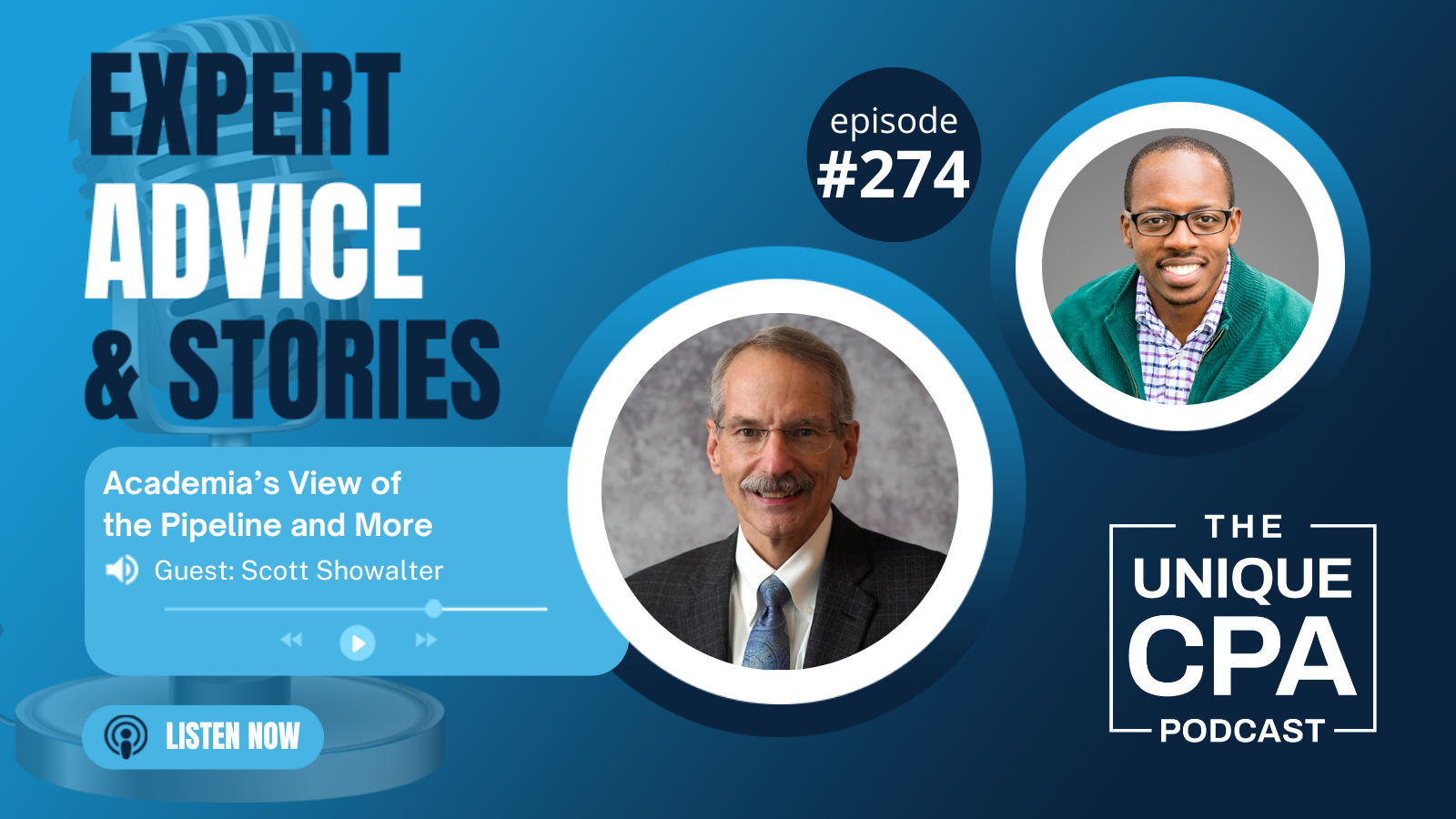
With Scott Showalter
Additional support is also provided by Magnetic. AI prepared 1040s with remarkable accuracy and form coverage, so your team gets complete returns ready for final review. Check it out at MagneticTax.com.
Scott Showalter has spent more than 50 years in accounting, with 33 of them at KPMG, the last 22 of which were as a partner. Since 2008 he’s been bringing that experience into the classroom at NC State’s Master of Accounting Program. That unusual vantage point gives him a clear-eyed read on the talent pipeline debate: On Episode 274 of The Unique CPA, he pushes back on some of the doom-and-gloom narrative, pointing to graduate school applications up 72% nationally last year, and credits much of NC State’s own steady enrollment to actively recruiting career-changers, including a Broadway makeup artist and a PhD violinist who found their way to accounting in search of stability. Host Terrell Turner also covers with Scott what firms get wrong when they recruit on campus and the limits of internships as a proxy for real work. They also look at why AI in accounting education is less about replacing fundamentals than about rethinking how those fundamentals get taught, and who’s ultimately responsible when the technology gets it wrong.
Show Transcript Hide Transcript
Additional support is also provided by Magnetic. AI prepared 1040s with remarkable accuracy and form coverage, so your team gets complete returns ready for final review. Check it out at MagneticTax.com.
Hi, and welcome to another episode of The Unique CPA podcast. Today I have a great guest on. We are talking to Scott Showalter. He is the director of the Masters of Accounting Program and a Professor of Practice in Accounting at North Carolina State University. Scott, welcome to the show. How are you?
Great. Glad to be with you today. It is an exciting time, both within the profession and as well as in academia, so I’m glad to talk with you today.
Absolutely. So Scott, I was very interested in a conversation with you. One is for the audience, like Scott and I have met, and we’ve talked several times before, and one of the things that I’ve been impressed by is that you have both a background in the field of accounting and in academia. So for those who haven’t met you before, can you give us a little bit of context on your background?
Oh yeah, I’d be glad to. Matter of fact, this year is a little over 50 years that I’ve been in the profession. I started my first 33 years with one of the big four firms, KPMG. I was a partner for the last 22 years of that. I joined NC State in 2008 as a professor of practice, as you say, and in 2018, I became the director of the Master’s Accounting Program. So I’ve been very fortunate to actually have two very full careers in different areas to be able to do that and, quote, in my spare time, very much involved in the profession outside of even my academia. I was the chair of the Carolina Association of CPAs, just finished last year a three-year stint on the AICPA Board of Directors, before that, the AICPA Council, and this month I’m moving on to the AICPA Auditing Standards Board. So I’ve got to stay busy, right? And there’s a lot of things going on
So I’m very curious. You spent 22 years in practice and up to the partner level. How was that transition for you going from partner into academia?
Yeah, I get that question a lot, matter of fact, how did it work for you? And I’ve actually written an academic article called Nuts and Bolts, where I kind of lay that out because I get a lot of questions on that. But what I really liked about the time I spent in the accounting profession was the ability to be able to mentor professionals, to help them get the most out of their career. I viewed it as part of my responsibility to leave the firm better off than I came, right? And so I was making sure it was in better hands when I left than when I was there. So I really enjoyed that mentoring relationship that I developed with a lot of professionals. So I saw higher education as another opportunity of doing that, so now instead of talking to professionals, I’m talking to students. So I have a lot of dialogues obviously teaching in a classroom, but I think a lot of the learning takes place in my office here or just talking anywhere where students come in, and they have really interesting, I thought, lots more informed questions than I ever had when I was thinking about it. And they want to know what the profession’s all about and they really want to know what the opportunities are. So I really enjoy the opportunity to continue to mentor students. So that’s the common link that I really feel like I’m still doing a lot of what I used to do, I’m just doing it to a different audience.
You know, I think that brings up an interesting point because I think back to almost, what, 19 years ago when I graduated from undergrad. To be honest, I really didn’t have a clear picture of what accounting was about. So I’m curious, when the students do come to you, do they have some concept or some assumptions of what they think the accounting profession is about?
Yes, definitely. They’re very opinionated about that. And one of the things that’s really different over that period of time that you just talked about, and definitely over my period of time, what’s really changed that landscape is the fact that the firms have gone to basically using internships as their primary vehicle to hire. Students back when I came out, internships were very rare. And probably in your time, they were probably beginning to come up, you know, still pretty common. So a lot of students have had 1, 2, 3 internships at three different firms. That’s good, that could be bad. Depends on how that internship experience was. And so they have a lot of questions. So they’ve lived the world of an internship, but we both know the internship experiences are more about recruiting than about working. And so they saw the really good side, which is good, and I’m always positive about that, but they still have some questions because they talk to professionals, and one of the questions you’re going to get to me later is about what can the profession do? And so they’ve had some conversations with professionals that showed a different light on the profession, and they want to better understand what those are. So yeah, I just think that they’ve had so much more to experience. Obviously social media comes up, you know, the firms are very active in social media promoting LinkedIn, which is something we encourage our students to do. They see the firms, students are members of the North Carolina Association to connect. They see that dialogue. So the profession is just so much more out there than it was, with lots more opportunities to see, I would say, the good and the bad. They get to see it all, and helping them make sense out of that is where I think I can help.
You know, that makes a lot of sense because I think back to, you know, my early exposure to the accounting profession was we had a partner from, I guess, a South Carolina-based accounting firm that came into my audit class one year and they spoke, and that was about the extent of my exposure to what it would be like to work as an accountant, to where I could imagine students have so much more information, as you said, like they’ve got social media, they’re doing multiple internships, I could imagine that does it seem overwhelming for some of them to take all this information, plus now they have AI, they can go ask? There are so many places, but how do they really sort it out?
Yeah, absolutely. There are times when they come into my office, I can just tell they’ve been overloaded. And they don’t know exactly what they don’t know. So they’re not quite sure how to deal with it. And so actually one of the things that we encourage, we have dedicated career services for our students, dedicated for the MAC program. And one of the things that we tell them is, don’t talk to every firm. Let’s have a conversation about what is it you want to have in your career, and let’s point you towards those types of firms which we believe will meet the type of objectives you have, because you’ll absolutely get confused if you go out and talk to too many firms. So one way to do is just kind of reset. We want to talk to more than one firm or two firms, you know, you want to have a good five, six firms you’re talking to, but the old days where let’s see how many firms I can tick off that I can get offers from, that gets really confusing to them to be able to do that. And a lot of times they have a problem reconciling what they see in social media, or maybe what their buddy told them, with what the firm says. So I often get, well, they did an internship and this was their experience, but that’s not what the firm’s telling me. How do I reconcile these two views? And so I can play a role in that as well.
Now, I guess over your years of being involved with the accounting industry, I’m very curious what you think about this hypothesis: I’ve heard some people say, let’s say 20-plus years ago, a lot of the firms had a very similar DNA, whereas now you’re starting to see some more clear distinctions between, you know, the experience you’re going to get at this firm versus that firm and how this firm wants to approach what they do in the accounting profession. Now, from your perspective, do you agree, disagree, or do you see something different?
Yeah, I’m going to agree and disagree with you. How’s that? So, I agree that in today’s world, the firms have got more specialized. At NC State, we have 35 different organizations that come in and recruit our students. And people say, why do you do that? Because people have different needs and wants and objectives. There’s a real big difference on one end from the largest firms all the way to, I’d say, the midsize firms, all the way down to the relatively small firms. And we have some students, particularly if they want to stay in certain geographical areas, where the options there are going to be midsize to small firms. And so the firms have been able to become very profitable and successful in their niches. They could be niches geographically, it could be niches to industries they serve, it could be niches related to the services they provide. So the answer to that is yes, I think, and to some extent that confuses the students because they don’t understand those distinctions.
But having said that, and this is where I disagree, when these firms come in on campus and start recruiting, they all look the same. So when they come in, I sit through these recruiting speeches and I’m going, that sounds like that firm, that sounds like that firm, and so they’ve all got the same pitch. So what I often tell the firms is, you’ve got to change your pitch. You need to make sure your uniqueness, why students want to choose you, comes out, and it can’t be about tearing down another firm. Students don’t like that. Students don’t like when you come in and say, don’t go to that firm or don’t go to that size firm. You need to take what your unique experience is and you need to sell it. And you have a very good value proposition, the students just need to hear it. And they get confused because, you know, they all sound alike when they come on campus, but I know they’re different, and that’s what we try to tease out.
Yeah, I’m wondering if that’s a factor of just, accountants typically aren’t the best at marketing and branding what we do?
Yeah. We didn’t go into marketing for a reason. So yeah, that’s not a core strength that we have, but we just need to tell our story. It’s pretty simple. Well, one thing we’re good at is telling stories—I don’t mean stories being fabricated—I mean, our whole profession is about looking at information and seeing insights and being able to share those insights with people who don’t see the same insights that we can see. So that’s what we do for a living. So we just need to make sure we share those insights when we come on campus and we’re talking about, because we have them. We all have them. We have those experiences that are very rewarding and we just need to make sure we share those when we talk to the students.
That makes a lot of sense to me. So I want to ask a little bit more specifically about the NC State program, because for people like me or other accountants or ones at larger firms, a lot of the headlines that we see are about the talent pipeline issues. Like there aren’t that many people going into accounting and, you know, they’re choosing other paths or other fields. So what does that look like for someone who lives in that world, where you’re seeing the students as they’re making those decisions about what career path, you actually know the number of students that are in your accounting program, you’ve seen the numbers over the years. What does the pipeline look like, or what is the state of the pipeline from your perspective?
I think you asked about six questions in there, but so there’s been a lot said about the pipeline. I would say some of it’s true and some of it’s probably more myth in that perspective. From an NC State perspective, our numbers have never gone down, and I think what attributes to that is the fact that I like to say we made the pond bigger that we were fishing from. Two issues there: One is, there’s just a natural decrease because of decreased birth rates of people coming into higher education. So the population is going smaller whether we like it or not. I mean, you know, because if people have a baby today, they’re not going to be here for 18 years. So we already know the population’s coming down right now because we know what the birth rates are. So that is getting smaller. The other thing that’s going on in this particular period that’s a negative is actually starting salaries, which is one of my soapboxes I get on from time to time. And that is, the profession went for about a 10-year period of time where starting salaries didn’t change a lot. They really didn’t change a lot during that period of time, and they stayed in the mid-50s, and then the profession was shocked that students made very informed decisions about going to other professions because they increased their salaries. But to some extent the firms have increased their salaries, and now it’s not where they need to be, but they definitely have made progress. And nationally last year, just to give you an indication, nationally last year, the applications for graduate schools, which is what I’m in, were actually up 72%.
Wow.
Now I won’t attribute all that to starting salaries. You know, the great thing about the accounting profession is there are always jobs. And historically they’ve always paid well, subject to the starting salary issue I just mentioned. And the accounting profession isn’t recession-proof, but it’s recession-resilient because even when business is down, someone still needs to analyze the information to help make informed decisions. So while the growth may not be there as much, the layoffs and reductions aren’t as pronounced as they are in other professions. So it’s not surprising that our numbers are up from that. But we have about 40% of the people in our program, and I say we made the pond bigger, whose undergraduate degree is not in accounting. So as we like to say, people wised up. They graduated with an undergraduate degree in one field and then they went out there and said, this really isn’t what I want to be, or this isn’t as rewarding, or I don’t see a career path, or whatever else. And so we designed our program, we have a prerequisite program, an online asynchronous program, that allows people who got an undergraduate degree not in accounting to actually make a transformation to be able to come in and be successful in our program at the graduate level.
So I attribute a lot of our ability to maintain our numbers to that, and it really helps the diversity of our program, the fact that we have all these different backgrounds in our programs. We had an individual who owned a bridal boutique in Charlotte. And one of our top graduates last year actually spent 14 years in New York, he was a makeup artist on Broadway. And when I asked him, okay, I don’t get it, Broadway to accounting? What he said was stability. His answer was, I need stability. I’ve got a family. Broadway makeup artist, not stable. And he was very good. So we have a variety of those stories. It’s very unique, and that diversity is very unique in the classroom, and the firms actually like seeing that diversity come out. We weren’t sure how the firms would respond to someone not having an undergraduate degree in accounting, and some of them not in business. You know, the two I just gave you are not necessarily business. But they responded very positively to that unique blend of students that we provide for them.
Awesome. You know, I love the fact that you guys are doing that because, since I’ve started my own firm, I’ve met so many people who have eventually started their own small accounting firm that didn’t have an accounting background, but very similar to what you’ve described is, at a certain point in life, they looked at their options and said, hey, that looks like a more attractive or a more stable or a better path for me and my family, and so they made that transition after having a career in something completely different. So I love the fact that you guys do that. Now you mentioned about that transition period. So that online kind of resource, is that like a course that they go through or is it material that they review to kind of prepare them for a master’s in accounting?
It’s a non-credit course is a way to think about it. So they don’t get college credit for it, but they don’t pay a college price for it either. So what it does is, because actually some students, depending on where they went, even though they may not have had an undergraduate degree in accounting, they may have taken Principles of Accounting. Principles of Accounting is a core course that a lot of majors have. Again, back to your point, if you’re going to do anything you need to understand accounting. It’s one of these basic life skills that you should have. And so they’ll have some of it, but they won’t have everything. They won’t have intermediate accounting. Maybe they didn’t have a tax class, or maybe they didn’t have an ethics class they need, or whatever else.
And so we have a series of modules that they take, all online, asynchronous, that they can take at their own pace. The only requirement we have is that you need to complete this prerequisite class before you take the graduate class. So a lot of our, we have both an online and an on-campus program, and a lot of our online students are part-time, they’re still working. And so what they do is instead of completing the degree over one year, they complete it over two years. They take fewer classes, and so they’re able to fit these classes in before they take the graduate class, just in time. Like, we teach the tax class in the fall, so right in July, August, they’ll be taking the tax prep, and they move from that directly into the advanced tax class. And we’ve been very successful with that. We’ve also, particularly for our students who don’t have a business background, as I mentioned, I talked about a makeup artist. We had an individual two years ago who had a PhD in violin. I can’t make this up. And several years ago we had an animal science major. And so they don’t necessarily have the business acumen, so we have a specific course that helps them even with the business acumen. What do we mean by financial statements? What do we mean by an asset? And so we have to not assume they understand some of the language that you and I very much treat every day as a common occurrence. We have to bridge that gap as well.
I think that is really cool that you guys have that, because even as you were talking, one of the things that came to mind is, I know several accounting firms that are hiring people who don’t have an accounting background. I’m like, maybe I should recommend that they send their staff through that program, you know, maybe it’ll help them actually become a better accountant at that firm.
Yeah, we ask them at the end and they’re very positive, and we keep the courses up to date. Matter of fact, I was just talking to the tax professor earlier this week, because of the great big beautiful tax bill and everything. We’re trying to figure out how we’ve got to update that course and make sure it’s where it needs to be. So the classes are kept very current with what’s going on and help the students, and they can digest it in their own time, which is a very important item.
Now is that course something that people could take even if they weren’t going into the Master’s program? Like they just wanted to get a refresher on these things. Is it available for the public to take some of those courses?
Interesting question. We’ve never done that before. We’ve actually made it available to other colleges and universities, where they were looking, and they didn’t have the resources to invest in it like we did to be able to build it. And so we have some colleges we actually allow those students to take the classes. But no, we’ll have to think about that. We hadn’t really thought about allowing people that aren’t in our—it’s mainly considered a feeder into our program.
Okay. So before we wrap up, one of the conversations that I think is happening a lot, for firm owners, for people working in corporations, people working in public accounting, is about how AI is potentially going to impact the accounting profession. So I’m curious from your perspective in academics, what type of conversations are being had at the academic level about AI and trying to prepare these students for the future. And AI may be changing some of the ways that we do things. So what do those conversations look like at the academic level?
I would say at the academic level, AI is dominating the conversation, no different than it is in the business world, right? I mean, it’s hard to have any conversation in the business world where AI doesn’t come up within at least one minute of the conversation. So AI is very similar from that perspective. I mentioned I’ve been in this profession for over 50 years, and technology has been evolving the entire 50 years. As I look over that, it is constantly changing, but this is different. And I mean different in a positive way when I say that. The two things I see as different from what I observed over the last 50 years of living through the technology changes in the profession: one is the speed of the change. This is definitely moving a lot quicker. We had more time in the past to absorb the technology and figure it out. Now, by the time we figure it out, they’ve already moved. I came here and now we’re going there. So one of the challenges is the speed of the change, which is definitely a challenge for us, particularly when you think about how fast academia moves.
The second is actually how technology is used and what it can do. In the past, we used technology for what I’d say, we used the technology to pave the cow path. We took technology to do what we always did, but we didn’t pick another cow path. We didn’t build another cow path, we just took the one we had and we paved it. With emerging technology, it is allowing us to totally change not just how we do it, but what we’re doing. We can actually do different things. And let me give you an analogy just so it kind of brings it home for your audience: a lot of, particularly the larger firms now have moved to using technology, data analytics, AI to move to examining, in an audit sense, a hundred percent of the transactions, instead of doing a sample, they’re actually moving away from sampling. And so I think that’s a positive thing for audit quality. I think audit quality is going to get better. But it also makes the experience for the professional a lot more rewarding because now using the technology is giving the professional those transactions that maybe don’t look right—they’re not saying they’re wrong, but they’re not saying that they look right. And so the professional is using their critical thinking and professional judgment skills to analyze those, which has to be a lot more interesting than when we had a sample of which 99% of the sample, nothing was wrong with it, so we spent all of our day getting bored looking at transactions where nothing was wrong. Now we get to spend our day analyzing things, and that’s got to be a lot more interesting.
So how do we take that, now I’m going to get to your question, and move that into the classroom? But it’s important to understand how that is changing. And the same thing you can say on tax, it’s not just audit, I used that example. So what we’ve got to do is make sure what happens in the classroom, reflects what I just described to you, that experience. And when I talk to professionals, and we talk a lot, one of the things we’re constantly talking to professionals about is what they’re doing so we can make sure we’re making those adjustments. They say, but you know, don’t leave the fundamentals. We need you to do all the fundamentals, and we need you to do all this new stuff. I’m here to tell you, buddy, our cup is full. We can’t just keep adding it on top. There’s a limitation on what we really have to do here. So what we have to do is use the emerging technologies to help teach the fundamentals. We’ve got to think about the way we teach the fundamentals because that’s got to change, because the firms are changing it. The way they’re educating the students when they come on and train them is different than the way they used to, even five years ago or less than that. So we need to use the emerging technology to help train our individuals.
So again, an example that would be: a student researches professional standards, not academic. Leveraging AI to be able to do the research, to come up with the answers in the professional standards. So yes, we’re still teaching them professional standards and how to find that, but we’re using AI to do that, and at the same time, we’re teaching them ethical responsibilities related to the use of AI. And so that’s where we’re going. It is a moving target, absolutely a moving target. My first point about the speed of change, so whatever I did this year, I know I’m not going to do that next year. And that makes it interesting for the students, but it also makes it interesting for me to be able to do that as well.
Nice. I love it. Now, I would say one follow-up question on that is, you mentioned teaching the ethics around how we use the technology, how we use AI, and I’m very curious, as the speed of AI is changing so fast, how quickly do you see the training around ethics adapting? Do you feel like our training around ethics is doing a good job or a better job of keeping up with the speed of how we have to evolve how we talk about ethics to really support reliability in the accounting profession?
My answer is going to be, we’re probably not doing as much as we should. An analogy I’ll make is fraud. Normally, when we’re looking for fraud, we’re looking at fraud based on the last fraud we saw. So we’re trying to solve the last problem. We’re not anticipating the problem we haven’t seen yet. I would say that’s a lot of what we’re doing here. We’re teaching ethics based on what we know, but we’re not necessarily teaching ethics on where it’s going. And what will be the next iteration or generation of AI, we don’t know what it is, so it’s hard for us to anticipate that. But the best we can do, to be totally honest at this point, is look at what current technology does—again, it’s moving pretty quickly—and making sure that we are bringing those ethical considerations in. I mean, just think about the business press. How many of the firms have recently been embarrassed because their professionals used AI inappropriately and didn’t verify the information before they delivered it? And so this is not only important for academia to make sure our students are actually learning, it’s important to prepare them for the expectation as professionals and what’s expected of them. And yes, AI will help you, but you as an individual are still responsible for the result. You cannot outsource a responsibility that is still yours. And getting them to understand that and what they need to do to feel comfortable with that, so that at the end of the day, they can’t say the dog ate my homework. That’s not where we’re at.
I love it. Well, Scott, I want to say thank you so much for coming on. Now before we wrap up, there are two more things that I want to highlight. NC State has an amazing lifelong learning program. Can you tell the audience about that?
Yeah, great. Thanks for asking. As I tell students all the time, whether you liked it or not, you chose a profession where lifelong learning is very important. And what we’ve been talking about today is all this change, which I think is really the cool thing. When people ask me why I’ve stayed so long in the profession, I say, because every day I’m learning something. That’s the really cool thing. And so we have this lifelong learning series that you’ve actually participated in before—thanks for that—and what we do is we help our alumni and their friends, we call them alumni and friends, keep up to date with what’s going on. And so we bring people in such as you, to hear from people they don’t normally hear from, to expand. So we’re not talking about debits and credits and the tax code. That’s not what we’re talking about. People can get that anywhere. But we’re bringing unique people to our alumni to help them think differently and maybe to anticipate what is coming down the road that they’re not really thinking about, because we can always kind of succumb to the every day business press. So we push that out, and so every September, this year it’s going to be the last Friday in September, we will have a full day, and yes, it’s lifelong learning and because people in the accounting profession need to get CPE, it’s actually CPE eligible for that reason as well. But we really like that, and it really helps us keep connected with our alumni. Here at the MAC program, we say you are family for life. And so it’s just another way to keep up with our family.
Awesome. I love it. And I’m very happy to see that program has been continuing to grow over the years. So if people are interested in learning more about the NC State program or getting in touch with you, where are some good places for them to go online?
Well, they can always go to our website. Obviously the MAC program, you go to the NC State website and put in MAC program, we’re the only one, so we’ll pop right up. Contact information is there, easily contacted, and there’s actually a form. If you’re interested in something about the program, you can fill that out and we’ll get in contact with you. But all of our staff that are in our program area, as well as my contact information, is on the website. Feel free to wander around in there. We have a whole series focused on our alumni and friends that you can go on. We’ve actually recorded some of our summer series that we do, and they’re out there available that people can look at as well in that area. So the best way is to visit our website and all of our contact information is out there. We’d be glad to follow up with anybody.
Well, Scott, thank you so much for being an amazing guest. Thank you for coming on, and all of the best and continued success for an amazing program.
Thank you very much, Terrell. It’s nice catching up with you again, and I hope we can get you back on campus. We’d love to do that, but thank you for this opportunity.
Absolutely.
Important Links
About the Guest
D. Scott Showalter is a Professor of Practice and Director of the Master of Accounting Program in the Poole College of Management at North Carolina State University. Prior to joining the faculty in 2008, Mr. Showalter was an audit partner with KPMG LLP, where he retired after a 33-year career. During his career with KPMG, he provided audit and consulting services to large Federal, state and local governments. Scott is the former chair and Board member of the Federal Accounting Standards Advisory Board (FASAB) where he completed his 10-year term in June 2019. He is the past chair of the Board of the North Carolina Association of Certified Public Accountants and a current member of the AICPA Board of Directors. He also served two terms as a member of the Standing Advisory Group to the Public Company Accounting Oversight Board. He has served in numerous leaderships positions in the American Accounting Association.
Meet the Hosts
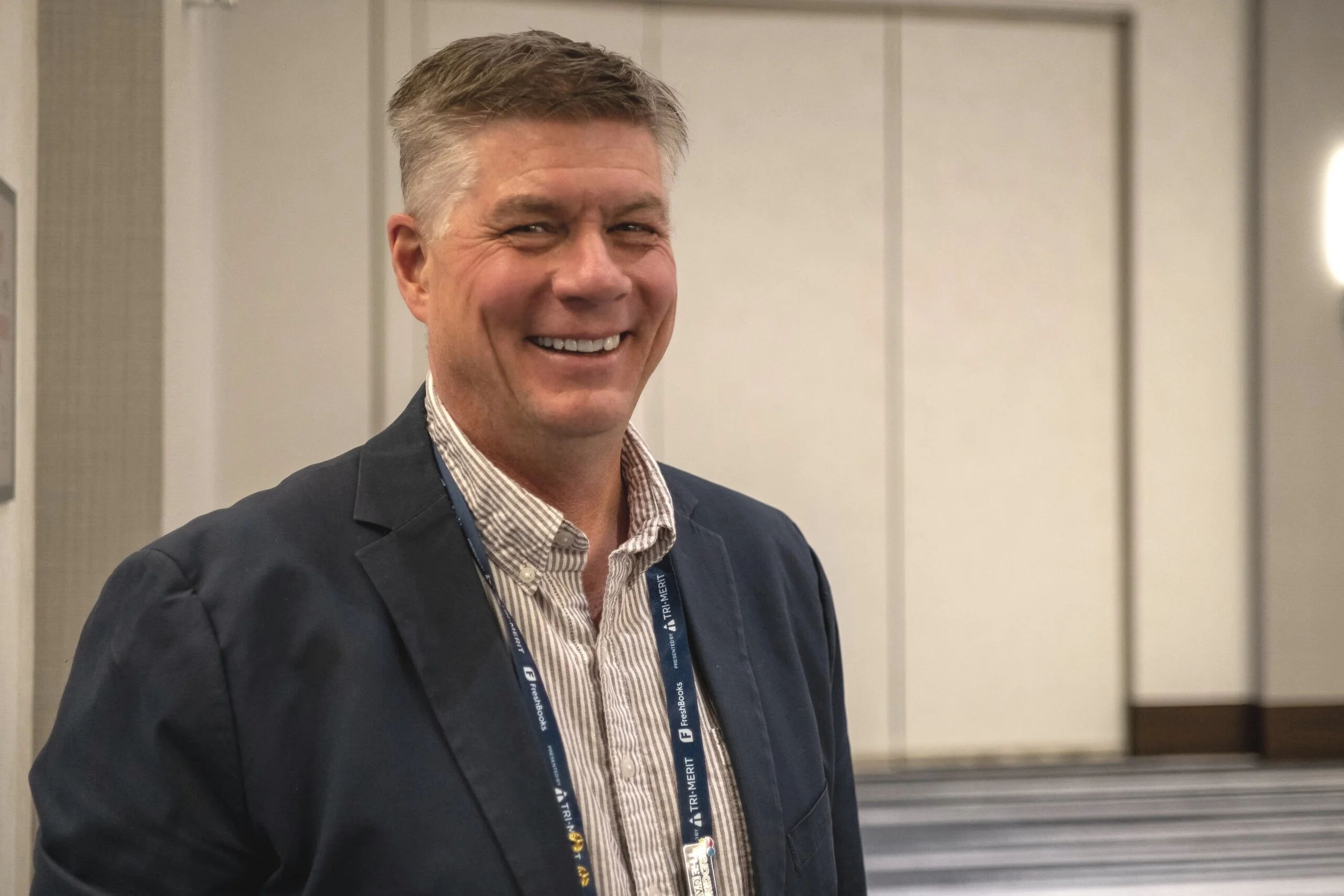
Randy Crabtree, co-founder and partner of Tri-Merit Specialty Tax Professionals, is a widely followed author, lecturer and podcast host for the accounting profession. Since 2019, he has hosted the The Unique CPA podcast, which ranks among the world’s 5% most popular programs (Source: Listen Notes). You can find articles from Randy in Accounting Today’s “Voices” column and the AICPA Tax Advisor, and he is a regular presenter at conferences and virtual training events hosted by CPAmerica, Prime Global, Leading Edge Alliance (LEA), Allinial Global and several state CPA societies. Randy also provides continuing professional education to Top 100 CPA firms across the country.
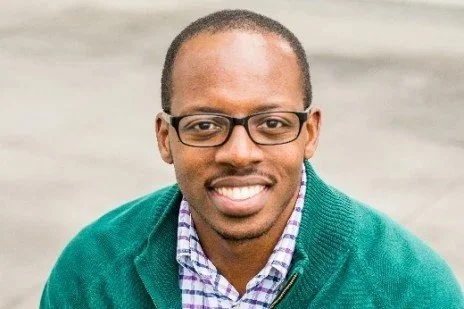
Terrell Turner is a 3x nationally ranked CPA, 2x Top 20 Global Finance Influencer. He is the founder of the TLTurner Group, which has been recognized in NYC Times Square and the NY Times as a top accounting and CFO firm that specializes in supporting law firms. Outside of running an accounting firm, Terrell hosts multiple vlogs and podcasts in addition to co-hosting The Unique CPA. Terrell is also a speaker and a content creator who regularly hosts and collaborates on video and audio content projects with multi-billion dollar corporations, bar associations, universities, and non-profit organizations.