
Randy and Terrell Talk Keynotes, Community, and More at BTG
We appreciate Magnetic for supporting The Unique CPA. Most tax AI tools just read documents. Magnetic actually prepares the entire 1040 return for you, so your team just reviews and signs. Learn more at MagneticTax.com.
Randy is put in the unusual position of being a guest on his own show at Bridging the Gap 2025, as Terrell Turner sits down with him just hours after a keynote that left much of the room in tears. On Episode 273 of The Unique CPA, our final entry in this special Bridging the Gap series, Randy talks about his speech, which was years in the making and drew on pivotal moments from Randy's early career, including a firm where he was nothing more to them than a billable hour and the contrasting leadership that shaped everything that came after. There’s also a lot of focus on BTG itself and what it’s grown into. At the heart of it all is Randy's conviction that accounting can be the greatest profession there is, and that changing the culture, not just the workflows, is how we get there.
Show Transcript Hide Transcript
We appreciate Magnetic for supporting The Unique CPA. Most tax AI tools just read documents. Magnetic actually prepares the entire 1040 return for you, so your team just reviews and signs. Learn more at MagneticTax.com.
Welcome to The Unique CPA Podcast at Bridging the Gap 2025. I have the pleasure of sitting down with Randy Crabtree. Randy, welcome to your show.
Thanks for inviting me on my show, I really appreciate it. And thanks for inviting me to the conference!
Yes, absolutely! You know, I mean, I even got you a chance to do a keynote speech.
You did, and I appreciate that.
Now, have you ever been a guest on your show?
I actually have. This is the fourth time I think I’ve been a guest on my show. So, sorry, you’re not my first.
Well, I will say I’m the first to interview you at the Bridging the Gap 2025 conference.
You know, you can say you’re the first to interview me at any Bridging the Gap conference.
You know what? That works for me. So I guess since we’re here at the Bridging the Gap conference, can you talk us through your theme, or what was the real big driving thing you wanted to get out of this conference this year?
The overriding theme’s always going to be mental health awareness. We’re always going to have topics on that, so I always want that to be leaned into and I think that’s what attracts people the most. But on top of that, overall, it’s just practice management. It is not doing things the way we did in the past just because we did in the past. There’s new ways, new paths, new ways to be more efficient, to integrate technology, to save time, to work with the clients we love working with, and not just try to help everybody. All those things that can make us better as a practitioner, from a time management standpoint, but that all goes back to me to mental health as well. We’re not going to burn out if we do things like that.
You know, I think that’s resonating with a lot of people because even with last night with the Happy Hour and today it just, there are a lot of new faces that I’ve seen. So I mean, how does the team feel about all these new faces coming to the Bridging the Gap community?
I am in awe of what’s happened this year. I mean, the first two years of this conference, the conference was great. I enjoyed every single minute that we were at the conference. But I worked hard to get people at the conference. You know, brand new, one year you’re doing a conference about what? Mental health awareness? Do I need to go to that? I don’t know. And that was one of the three overriding themes the first year. This year, I didn’t have to do anything to get anybody here. I honestly did not—I was hand selling the first two years’ tickets—this year I did nothing. And I’m just in awe of what the community, the Bridging the Gap community, the people that have been here the first two years have done by promoting it, have done by explaining why they come, explaining why it’s for many people their favorite conference. I mean, pinch myself, how is that even happening? But from all the new people, it’s just, I can’t even explain it. I’ve cried five times since I got here Sunday morning, because I get all these messages or people coming up to me and saying, “This conference is so important to me, this conference is what I need right now.” And so having probably 110 people in the conference more than last year—I think last year we had 214 on site, this year I think we’re 325, I haven’t got a final head count yet, but that’s the number, it should be around there—I am just thrilled that I get to meet so many new people in the next two and a half days, and that people are finding value in this. That’s so fulfilling to me.
You know, I think that’s a huge impact because I think there are so many different things going on in the industry now where people are waking up, realizing that mental health is a much needed topic and not just as a, “Hey, HR made us watch a video,” but we actually have some substance to it. Which brings me to your keynote speech. So I mean, you and I talked before, but how long was that keynote speech in the works?
So the keynote, I honestly probably decided to do a keynote, and the first two years I didn’t do my own session at this conference. I purposely just wanted everybody else to do a session. We probably decided that I would do a keynote maybe in December or January, so eight months ago, and then I started working on it immediately. So I’ve been working on this since at least January—and we’re sitting in July right now—I started working on this. And it really, the concept was there, what I wanted to talk about. I knew—I couldn’t figure out how to get it all to work together, but I had the bits and pieces and, actually, I was working with somebody on it, he helped me so much. And it was really the last two weeks where it came together and, honestly, some of it came together on stage today. I mean, that last second, I mean, I was prepared no matter what. I practiced eight times in the last five days probably. But the coming together really was just the last two weeks where it made, where it really started to sink in that this is the path, this is the journey, this is where we’re going to go with it.
Nice. You know, I talked to a couple of people afterwards and several people I asked, you know, what’d you think about the conference so far? They were like, “Well, the keynote made me cry.” So it was like, I think we’re off to a good start.
Cry because of emotional moments, cry because of decisions and things that happened to me during my life’s journey and the journey that brought us all here. But there was a lot of crying at the end for positive impacts that were happening in my life. So I knew there was crying, we actually put tissues, Kleenex, on every table, and from what I could see standing on stage, there were a lot of people using those Kleenex. But I had so much fun. I enjoyed it. And the people—this sounds like I’m bragging or something—but I had so many people come up and use the word “amazing,” and that just makes me feel so good, but more so I want that amazing, if that’s what they want to call it, session, keynote to have an amazing impact on them.
I mean, I think that it has to do with the fact that a lot of people can connect and relate to the ups, the downs, the peaks, and the valleys in your story. And so take us back in time, when you think about coming into the accounting industry, were there any people in the past that were vulnerable enough to share their story that you got to see, hey, this is the real journey that people are going through in this industry?
I’ve thought about that in the past, and so I can answer it this way. So I started at a small firm, and purposely. That’s what I wanted to do. And the first small firm I worked at, two partners at this firm, and they were always open and honest. They weren’t afraid to share things. And it might be a silly thing, like I remember one of the partners would say, when we go to lunch and they’d take us all to lunch a lot, he’d say things like, “I’m going to eat the things I don’t like first to make sure I eat everything.” And I’m like, okay, that’s just goofy. But he was being authentic. He was being real. He was being himself. And so from a leadership standpoint, or even call it a mentoring standpoint, not that that’s what they were doing, they had a huge impact on me.
It didn’t hit me about the negative aspects of how somebody can manage a firm until I left them and went to another firm two years later. And man, that other firm, all I was, was a billable hour. That’s what I was to them, and it was completely different than what I saw in that first firm. And it just turned me off so much. And I was micromanaged. And I swore that’s never going to be me. I’m never going to do that. And just, I’ll make this story short. I left the other firm really on a whim. I walked out at lunch one day and never went back. And I called the other two guys that I worked with first and I said, “Hey, I just want to let you know I left that firm,” not expecting anything, but I wanted to let them know. And their first thing was, “Do you want to come back here?” And this was January. This was tax season. Do you want to come back here? I said, “I’ll be there tomorrow.” So that leadership taught me so much and I’m still friends with those guys today.
Awesome. And I think that’s what makes this conference so special because I think there are a lot of people who have probably worked in an environment like that second firm and they’ve never experienced the first one, to where this conference gives them a view of, oh, this is what it could be like. And so was that your vision when you guys came up with the idea of this conference?
The vision was yes, to show that there’s a better way. It really came out of the burnout aspect of the profession, that we have this mindset that we have to work so hard, that we have to help everybody, that we’re only worth our time, not our knowledge. All those things came into it and all those things can create burnout because we don’t look at what’s happening to us, we look at what’s happening to others. And so yeah, that type of micromanaging, because I’m a billable hour, that kind of thing, we wanted to show that that did not have to be the way. There are other ways to do it. There are ways we can combat that. So yes, when I think about starting this conference, I often think back to that second firm I was at, and in my mind, the awful way I was treated, and want to show people there’s a better way. You don’t have to do that. There’s a way that we can change this profession. And my ultimate goal is to make this the greatest profession. That’s a lot of work, I can’t do it myself, but the greatest profession out there, that everybody wants to be an accountant, that everybody’s going to see how fun it is. I want accounting to be fun, and if people see that, they’re going to come into it. So that’s really the ultimate goal for me personally in this conference.
I mean, I think you’ve got a lot of opportunity to really do that, Randy. I mean, there are so many people that we meet at this conference and just in the industry that have talked about how accounting has really changed the trajectory of not only their life, but their family and the generational impact. So I think you’re onto a good thing.
Well, let’s hope so. And I’m seeing an impact. I’m seeing an impact just in general in the profession. I think I see a change happening. I’m seeing grassroots changes happening, but I’m actually seeing it go up to even, you know, larger firms where they’re starting to see the changes that are needed as well. And if we can keep doing that, I came up with a mission statement a couple years ago: My mission is “to have a positive impact on the lives of people in accounting by inspiring change.” If we’re status quo and we keep going the same way, we can’t be innovative, we’re never going to see a different way, we’re never going to see a different path, we’re never going to try something new. It’s okay to fail, ’cause we learn from that. So if I can inspire change, I think that’s one of the key things going to help us move forward as a profession.
Now, I know a lot of people who are probably listening or watching this wherever it’s popping up are probably wondering, are they going to get a chance to hear that keynote speech themselves, or is it only exclusive for the people who were in the room?
It is taped. I know it’ll be out there. I don’t know when it’ll be out there. I honestly am going to put it on my own website at some point in time. I was so excited about doing this. This is, in my mind, my favorite speech I’ve ever done. And so yes, I’m going to make sure that’s out there. If you do watch it, you might want to grab some Kleenex.
Awesome. So one other thing that I wanted to talk about is, with an event this awesome, an event this big, there are definitely a lot of hands behind the scenes working to bring it together. So I definitely wanted to give a chance for you to talk about some of those hands behind the scenes and just your appreciation for the people who are constantly working. I mean, there are people behind the scenes in this room while we’re recording.
There are, yeah. So this doesn’t happen if I was in charge, and we kind of heard that in my keynote: if I’m in charge, things may not happen. As you mentioned, Gisela is sitting right behind me. I can’t function without her. So she is my assistant, executive assistant, and she keeps me going. Our whole marketing team is behind it, Mark and Chelsea and Hailey and Crystal. Those four put in so much time and passion and effort to this, it doesn’t happen without them. So that for sure, but it’s the entire community that is here at Bridging the Gap that makes it a success and that creates the community that’s here, because this is not a conference without the people that come to the conference. And the people that come to the conference are the ones that create the atmosphere around it, create the community, continue that going after they leave these walls and this hotel and make new friends, and they collaborate and they support each other and they just talk as often as they can. And I’ve heard these stories already from past conferences and it just makes me so happy to see that we’ve created this community that exists after this two and a half days.
So the last thing I want to ask is, as we wrap up, if you were sitting down talking to someone who has never been to a Bridging the Gap conference, ’cause they’re going to see this after the conference is over, so they need to look out for Bridging the Gap 2026. So if you’re sitting down talking to someone, what would you tell them? Hey, this is why you should show up.
I kind of will go back to my keynote, because I know everybody, whether they want to admit it or not, they’re looking for something different, not different percent, fresh, and something in this profession a different way. There are always ways we can be better. There are always ways we can figure out how to, you know, course correct a misstep in our path that we took. And this conference, these sessions, these amazing speakers all have such interesting things to share. There’s no way you can leave this conference without thinking, “I can try that, I can attempt this.” It doesn’t mean it’ll be successful. That’s fine. You learn so much from a misstep or a wrong turn. Don’t ever worry about that. You take that and then you learn from it and you move forward. So if you want to come to this conference, and you want to see if there’s a way that you can work 35 hours a week during tax season and get more out the door and have that—work-life balance isn’t a mythical thing, it’s reality. So if you want to come to this conference and learn how others do it, I would highly encourage it. And honestly, we are sitting in the conference right now. We are getting inundated with emails of people who are having FOMO right now, sitting at home, sending us messages, “Put me on the list for 2026. I want to make sure I don’t miss next year’s conference.”
Awesome. Well, Randy, thank you for being a guest on your podcast.
Well, thank you for having me. This was a lot of fun.
And everyone who’s listening, thank you so much for tuning in and please be on the lookout for Bridging the Gap 2026.
Meet the Hosts
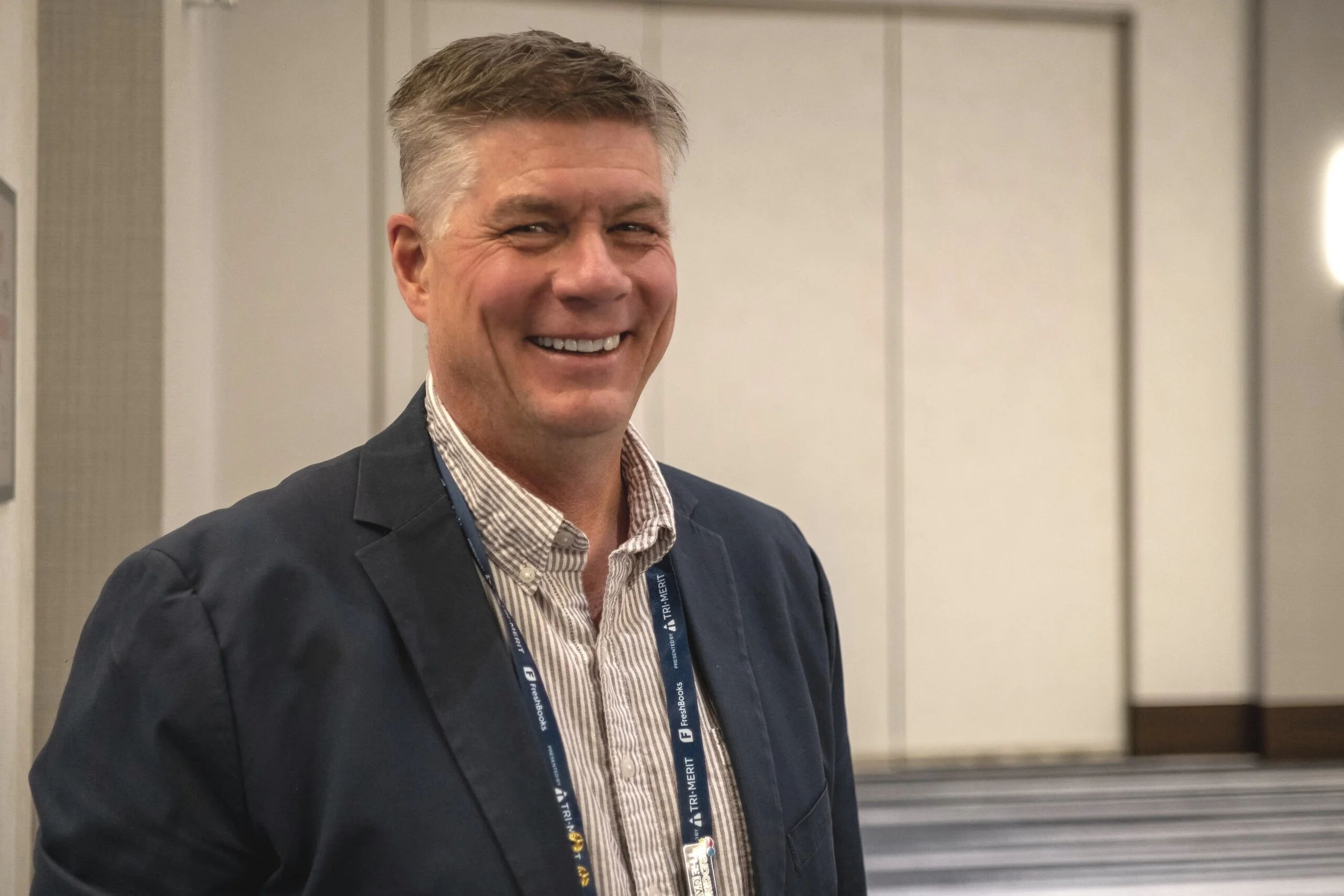
Randy Crabtree, co-founder and partner of Tri-Merit Specialty Tax Professionals, is a widely followed author, lecturer and podcast host for the accounting profession. Since 2019, he has hosted the The Unique CPA podcast, which ranks among the world’s 5% most popular programs (Source: Listen Notes). You can find articles from Randy in Accounting Today’s “Voices” column and the AICPA Tax Advisor, and he is a regular presenter at conferences and virtual training events hosted by CPAmerica, Prime Global, Leading Edge Alliance (LEA), Allinial Global and several state CPA societies. Randy also provides continuing professional education to Top 100 CPA firms across the country.
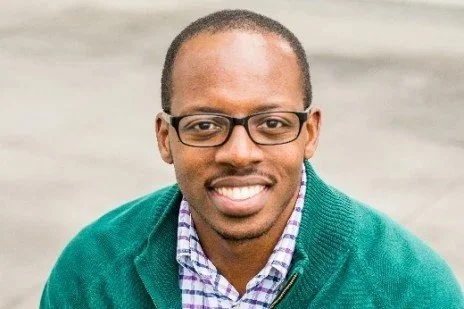
Terrell Turner is a 3x nationally ranked CPA, 2x Top 20 Global Finance Influencer. He is the founder of the TLTurner Group, which has been recognized in NYC Times Square and the NY Times as a top accounting and CFO firm that specializes in supporting law firms. Outside of running an accounting firm, Terrell hosts multiple vlogs and podcasts in addition to co-hosting The Unique CPA. Terrell is also a speaker and a content creator who regularly hosts and collaborates on video and audio content projects with multi-billion dollar corporations, bar associations, universities, and non-profit organizations.