
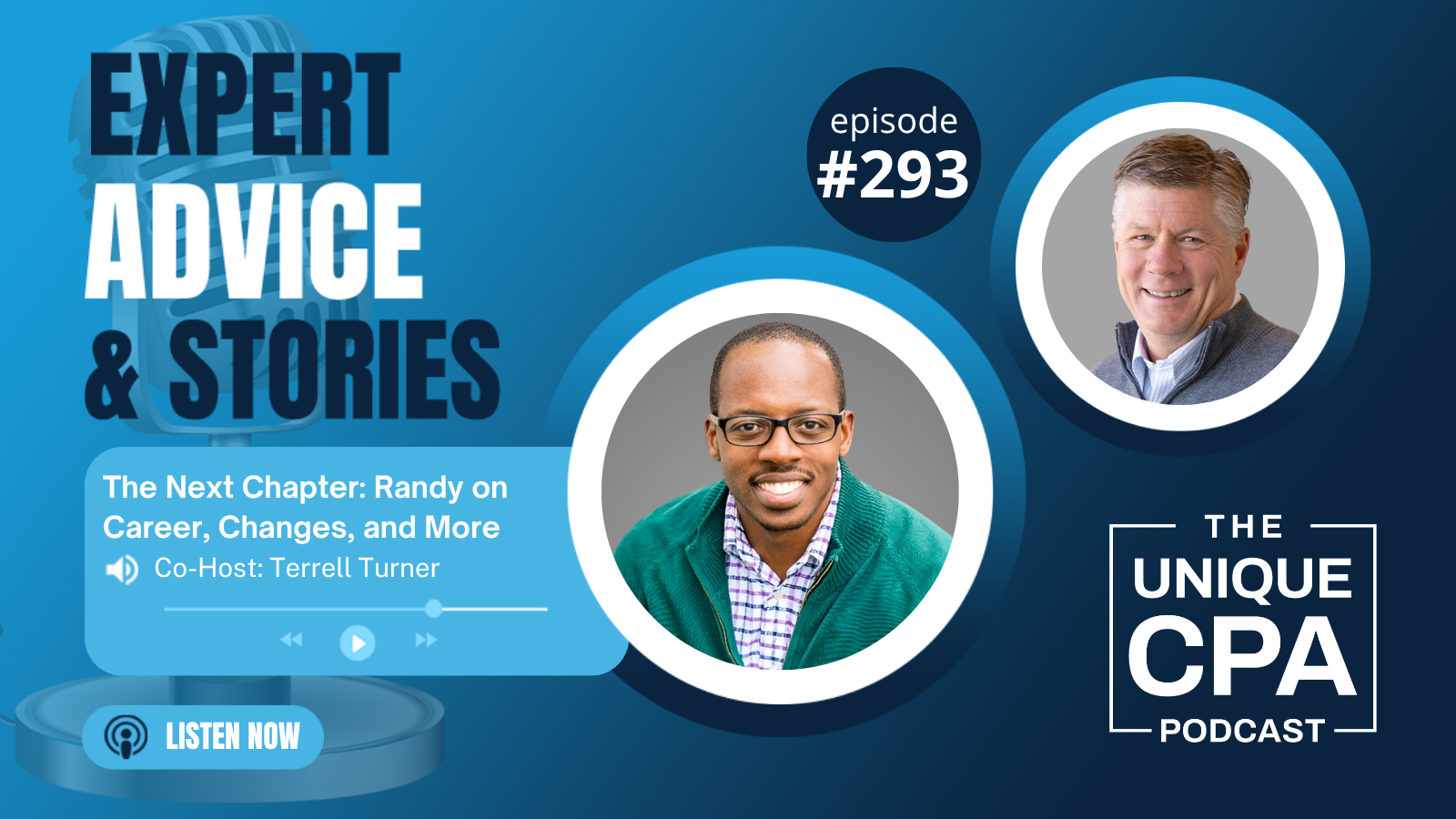
Randy on Career, Changes and More
Randy Crabtree left Tri-Merit after nearly 40 years in the profession, and the shift hit him before he knew it. At Bridging the Gap 2026 in Charlotte, he came to realize he was quietly mourning the loss of a firm he built, without even recognizing the feeling. And yet nine or ten weeks later, people keep telling him he looks younger, so host Terrell Turner helps unpack why. On part 1 of this special two-part Episode 293 of The Unique CPA, they start with the audience’s overwhelming vote to rename the podcast, then trace Randy’s path from that sense of loss to genuine excitement about his next phase. Randy urges anyone in the second half of their career to stop riding it out and make the transition from “doer to mentor, to an advisor.” He challenges what leaders get wrong about change: they communicate far less than they think, so the people around them feel that gap. His plain message to us all is that we have to better communicate what’s going, touching base “100 times” more often than we think we need to, to keep that gap from broadening. Episode 293 also begins with a special announcement about the future of the show – don’t miss it!
Show Transcript Hide Transcript
Hi, and welcome back to another episode of today’s podcast. Now, I didn’t give you the name because that’s one of the things that we’re going to be talking about in today’s episode with Randy, because most of you know this as The Unique CPA Podcast, but we’re going to be talking about that in today’s episode and finding what has Randy been up to. So Randy, welcome back to the show. How are you?
To the show, to the podcast, whatever this is called. I’m doing great, and it’s always a great day when I get to talk to you, so thanks.
Awesome. Well, you know what? I feel honored and privileged. You and I have talked about this, so let’s start with first why we didn’t give the usual intro name of the show. And part of that is because we put out a poll to see whether people wanted us to stick with The Unique CPA Podcast name or the Bridging the Gap Podcast. I mean, the results came in like 81% of the audience said move to the Bridging the Gap Podcast. Did that surprise you at all?
It didn’t actually surprise me. I had a feeling that’s what people would say, and I would do it in a heartbeat, and I think we probably will. It’s just the seven years of name attachment, we’ve got to figure out how to make sure that when people are searching for The Unique CPA, they get to the Bridging the Gap Podcast. So yeah, I was not surprised. I think it makes sense. I just don’t know the mechanics of it. That’s the main thing for me. How about you? Were you surprised?
I wasn’t surprised at all. I think because part of it is you’ve done a really good job of really promoting the conference, and I think also, the conference feels like a community for people. Like, when people say, like, why they show up, it’s the conversations that you have in the hallway, the conversations you have even, like, during the sessions, which I think is pretty cool about Bridging the Gap, where even some of the sessions I sat in where people in the audience are asking questions, and it’s not just a, “Hey, sit here and let me give you a one-hour CPE, and then you leave,” people were actually engaging with the speakers, which I think is a completely different environment from most conferences. So when comparing, hey, do we stick with Unique CPA or Bridging the Gap, I think people are thinking more about Bridging the Gap as a brand, as a community, as something to be a part of. So, I mean, hats off to you for building that up for the last four years.
Well, you’ve been a part of that, too, so thanks for the help. Yeah, I see that for sure. I don’t know, like I said, the mechanics, but I’m excited about having a unified branding on things. I think that makes a lot of sense. Well, you just look at Jason Staats, he just changed the name of his company, like, overnight. So I guess it could do, he went from what? “Jason on Firms” to “The Accountant Coach” or something like that, I don’t know. Did you see that?
Yeah, I did see that change, which I think a change like that is a good idea because I do think a lot of ways we’re trying to figure out how do we really let the audience who should be listening know that this is for them, and I do think, to what you said, that Unique CPA has great legacy. I mean, even when we did the recap, six years ago, you were interviewing people talking about AI six years ago.
I still can’t believe that. I originally first heard the term AI or the words artificial intelligence back in 1984.
Wow.
No, ’83, 1983, one of my roommates in college, we were both computer science, that was our major, was computer science, and he was excited about getting involved in AI. And I’m like, “What do you mean? What’s AI?” So I guess I’ve known the term for quite a while, I’m sure the term’s been out there, but I’m surprised even though six years ago we were talking about AI on the podcast, because to me it feels like ’22? I think ’22 was the… Wow, this is an episode about Jason Staats, ’cause I was just going to name him again. I think it was October of ’22, I met up with him and Chad and Jake—I’m not throwing names and last names in there apparently—at Intuit Connect, and they were the first ones to tell me about this ChatGPT thing. And I’m like, “What are you talking about? What’s ChatGPT?” And they were so excited. It was, like, insane. And so to think that two years prior to that, I was already talking about AI on the podcast, that still boggles my mind that was a topic. So just to fill in the names, Chad Davis and Jake Kessenich, I always say his name wrong. So yeah, I guess that means we’re cutting edge? I don’t know.
I remember that same Intuit Connect because I remember having a conversation with Chad, and he was showing me ChatGPT, and I had never heard of it before that conversation to where I’m sitting there, like, literally looking at Chad like, “Man, Chad, you and your team have built an amazing tool!” Because I thought his team built ChatGPT, because this was the first time I had ever heard of it.
Yeah, he’d be sitting pretty right now if that’s what he had actually done. He’s developed some really cool stuff. He developed a tool for us for Bridging the Gap, so I’m sure his team could do some stuff. But yeah, that was, you learned about ChatGPT pretty much the same day I did, I guess.
And so, I think that with the name “Unique CPA,” there’s been so much, I mean, like I said, the podcast has been cutting edge from, I’d say, I think it was within the first five episodes back in 2020 where AI started becoming part of the conversation then. And over the years, I mean, there’ve been so many great conversations had, and I think more recently there’ve been a lot of conversations about burnout and really the leadership, the people aspect of accounting. And so when you think about, like, that name change, I think “Bridging the Gap” is kind of the perfect way. Because in some ways, I think AI is really filling in some of the technical, like, the transactional gap in accounting, but there’s still this gap of the people side of it. And I think The Bridging the Gap Podcast, I think, is the perfect place to still have an impact on the accounting industry, but to really focus on filling that gap.
Yep, I agree. And I, for a long time, whether this is just made up in my head or not, I’ve thought—and I’m proud to be a CPA, you’re a CPA—but that is the CPA in the podcast, make some people think, “Oh, well, that’s not for me, I’m a bookkeeper. I’m an EA. I’m a whatever.” And I don’t want to alienate anybody. And so that’s one reason I think, in addition to everything you just said, that making sure everybody knows this is an inclusive podcast for the entire accounting world, not just CPAs. And that’s one thing for sure that I think would be nice about the name change as well.
Hmm. And I will say this has been kind of one of the ideas and the, I would say, visions I’ve had, too, as we’ve talked about that “Bridging the Gap” name is I think there’s a gap between those who are in the profession and currently doing the work of the profession, and the people who are either going through the either formal schooling or maybe they’re going through, like, informal training, trying to either become bookkeepers or become accountants or become EAs to where I think there’s a gap for the podcast to help bridge there, because even when I’ve gone to college campuses and I’ve talked to classes where it’s like the students have questions and there aren’t that many people who are showing up to really kind of answer some of those questions. So I think a lot of people have just been like, “Hey, the computer science guys are showing up on campus,” so they’ve been like either diverting away from accounting to other professions just because somebody’s filling that knowledge gap that they need and answering some of those questions. So I think the podcast can definitely help fill that gap, which helps the talent pipeline crisis of the entire profession.
Yeah. And I know you’ve talked about and interviewed people at the university level on the podcast already as well, and I think that’s a key, what you were just saying. I’m very fortunate. I’ve just met two people that have significant roles at different universities with the accounting department. And so when I met them, I’m like, "Okay, I got to tell Terrell about this ’cause we got to talk to these as well." I think one’s at my alma mater at Northern Illinois University, and the other I think was Ivy League, I think it was Cornell. He and I are on a board together, so I’m like, “Oh, man, I got some people they don’t know, but they’re going to be on the podcast soon.” So we’ve got to keep that going.
Awesome.
And get that word out there. Get the excitement.
Absolutely. And I will say, I will put this teaser out there, and I’d love to hear the audience’s feedback in the comments wherever they listen or check this episode out. I would love to get to a point where we can do some episodes on college campuses, because we talk about the talent pipeline a lot. And one of the things that I haven’t really seen done at a bigger scale is actually just go talk to the people who are in the pipeline to hear, like, what are they thinking about the future of accounting? What are some of the things they’re looking for? Or, what are some of the misconceptions that they have that we can kind of help paint a more clear picture?
Because I will say, for me, that was one of the things that kept me in accounting was really sitting down and having a conversation with one of the accounting and finance executives at a company that I worked at, and I told him what I was wanting to do with my career, he gave me some honest perspective. And I’m like, you know what? Had he not taken the time to tell me that, I probably would’ve made a different career decision, thinking I needed to leave accounting in order to be able to do the thing that I was trying to do. So I think that the show does a great job of not only bridging the gap for those in the talent pipeline, but those that are also in the profession, and I think those who are maybe in the latter part of their professional career that still want to find a way to give back. So I think this name change is going to be a big win all around.
Well, you just named me too: The latter part of my career that want to give back—that’s what I want to do right now. And before you go on to the next thing, that person that talked to you and kept you in the accounting world, we need to get that person on the show and thank that person for keeping you around. Because our profession’s a better place because you’re here.
Oh, I thank you for that compliment. I’ll definitely have to reach out to see if they ever do any podcasts. I mean, he was a very quiet guy when I met him, what, 18 years ago? He was a very quiet guy then. I’ll reach out to him and see. But as I mentioned, there are, I think, a lot of people who are in the latter part of their professional career that still want to give back, and I think you’re definitely one of those people because when people talk about people you should know within the accounting industry, your name comes up. I mean, you’re one of those names on the list that people are like, “Hey, not only has Randy accomplished things in the field of accounting, but he also cares about helping others.” And that isn’t something that can be said about everyone who’s in the latter half of their career. But I guess as we think about, kind of your career, where you are now, we know there’s been some recent changes for you of moving into a new phase, so we wanted to get an update on what is going on with Randy. So Randy, what’s the latest on your story?
Yeah. Before I answer that, let me go back to when you said, and thank you for what you said, but I’ll be sitting at my house, and I don’t mean this as a like egotistical way, ’cause I’m appreciative of it, but I’ll just look at my wife and I say, “How did I get here? How am I so lucky? How did I become who I am?” And that might sound weird, but it’s just like, I love what I do so much, and I just can’t imagine—it’s not always been this way—but how did this happen? I like pinch myself. I’m the luckiest person in the world. I get to hang out with really cool people, I get to do what I love, and it’s still, I’m in awe. I’m like bewildered. I don’t know what the right word is. There has to be some adjective—is that an adjective? I think it is. I know numbers. I don’t know words—that I got to this spot.
And so you asked what am I doing? Well, we are recording on October 22nd of ’26, so it’s what? About nine weeks ago, maybe 10 weeks ago now, that was my last day at Tri-Merit. I exited Tri-Merit, and then what have I been doing in those nine weeks? A lot of travel, a lot of conferences, I can’t even name them all at this point, and I know I’m supposed to be doing a recap. I was charged with that by you and Gisela, do a recap of what you’ve been up to. So I will do that. I need to look at my calendar. But so many fun things. I just got home yesterday from Women Who Count. I got to speak there about vulnerability in general, which, doing research, I found the difference. Men are... I don’t think this is going to be an aha moment to everybody, I think it’s going to be like, “Yeah, duh, we know this.” But women are looked at differently in the profession when it comes to vulnerability. And so I did some research on that, and I got to share that with a group of women yesterday in this presentation, and we had such a great time. So we felt like we were making a difference, like we were going to make changes in this profession, this group of 80 women that were in this room with me or something. So those are the things I’ve been doing.
I got to go hang out at a creator house, which I don’t even know what that means. But apparently I’m a creator, at least somebody thought so, so they invited me, and there was five of us in this house, and we hung out, and we did some... They were friends. Just, we had a great time hanging together, but then we recorded some videos at the end of the couple of days. I got to hang out with some old friends at a CPAmerica event, which I got asked to speak at last second, like a week and a half or two weeks before the event, and it was great to be there. Going to Intuit Connect on Sunday this week. I’ll be speaking there Monday. I get to speak at a large firm in the Midwest the week of Connect. So I go from there to another location.
So it’s been a lot of speaking, which I love doing. I get energized by it because the people in the audience teach me things. And so been doing that, but then also I’ve been teaming up with companies that are supporting the accounting profession. So companies that I meet, the people have passion for this profession, they’re maybe service companies, maybe some are service, some are investment companies, some are tech companies, and these companies that are doing something innovative that I look at and say, “Wow, that is pretty cool for this profession. That’s going to help avoid burnout. That’s going to get people to the point where they can be the strategic advisor. That’s going to help people figure out how to concentrate on what they’re great at, and outsource the rest, or automate the rest,” or those types of things. So I’ve got about six companies that I’ve officially signed up, teamed up with now. And then because my brain never stops, I also have a new idea that I probably won’t go into now. But you and I are going to talk about this. I already talked with Justin about it and Gisela about it, and I think there’s an opportunity there to continue to have a positive impact on the lives of people in the accounting profession, which is really what my mission is.
So you just asked a short question, and I gave you a long answer, but the bottom line is, everything I’m doing now is have a positive impact on the lives of people in the accounting profession by inspiring change. I have different versions of that mission. Sometimes it’s people and firms, but people are always part of it. And so this is where I’m living. And I’ll tell you, I’m going to keep going because technically it’s my podcast even though it’s our podcast. I keep getting the same comment from people: “Randy, you look great. Randy, you look younger.” I don’t know what it is, but I think it’s something that’s going on in this last nine weeks that I’m just so excited about this next phase, that people are just seeing it in me. And it’s not once, it’s not twice, it is nonstop right now. In fact, I call him a friend because he is a friend, but he does our landscaping. He’s here today. I was outside talking with him, and he’s like, “You look great. What’s going on?” And he said it, too, so it’s like everybody. But it’s because this is so exciting that going forward, the things I get to do with the people in this profession.
Awesome! You know, I think that is such a great journey that you’ve been on in which we will get those recaps on some of those events in more detail. But I do want to ask, ’cause I think this is something that a lot of people, they’re in the, let’s say, the middle part of their career path where they’re not starting, but they’re not necessarily looking towards wrapping up their career in accounting. They’re in the middle, but they’re starting to look ahead. So one of the things that I remember you and I talking about was just the emotions you kind of go through as you get closer to, like, that last day at Tri-Merit and then looking at, “Hey, what are you going to do next?” What was that like for you? Now that you’ve kind of gone through it and you’re 10 weeks onto the other side, what was that kind of emotion, what kind of thoughts were going through your mind as you were getting closer to that change?
So we talked about this, you and I probably did at one point, but a few people, when we were at Bridging the Gap this year, which was in Charlotte. You know anybody who lives in Charlotte? I do. I didn’t realize it, but I was mourning the loss of Tri-Merit, because the conference ended July 30th. July 31st was going to be my last day. We extended that for another half a month and it was August 15th. I didn’t realize it, but I was feeling this sense of loss without even knowing it was a sense of loss. But it isn’t. I still talk to people there, I still get involved, in fact, that thing I talked about at CPAmerica, that was something that Tri-Merit had a speaking slot but they didn’t have anybody to speak, so they called me and said, “Could you speak on their behalf at CPAmerica?” I’m like, “Yeah, great. Let’s do it.” So it felt like a sense of loss, but it’s more about the people.
But as soon as that transition happened, it was the excitement level because now, like you said, let’s assume I’m in the second half of my career, which I’m at the end of my career. But for the last 10 years, I kind of feel like I’ve been doing this, I got to use all this knowledge that I’ve gained for the first, whatever, 30 years of my career. I’m getting close to 40 years into, I guess I am 40 years into my career now. For the first 30 years of my career, I got to take all that knowledge that I gained—which I never knew I was storing away, I just thought it was just life—but that knowledge I get to now transfer to other people through the things I do, through the podcast, through the conference, through advisory work, through speaking. And that is so rewarding to see somebody absorb that and use it for their whatever purpose, and that’s the important thing. So when you talk about somebody that’s in the second half of their career and what, they’re just kind of riding it out now and maybe fearing the end, make the transition while you’re still in the career. Make your transition from a doer to a mentor, to an advisor, to something that’s going to have an impact on the next generation. Because that’s why people keep coming up to me and say, “Randy, you look like you’re so happy” or whatever? Well, I am, because this is what I get to do now.
Nice. I love that because, and I think it’s very applicable for all of us because I think no matter what stage you’re in, whether you’re in the pre-career, first half, second half, or you’re in the, I call it the sunset phase of your career, I think there’s always all these transitions that are happening in the middle, and I think the emotions that come with that transition is something I don’t think people are honest enough with themselves to say, like, “Hey, something’s changing.” I even think about for myself, like, as our accounting firm grows it was probably three months ago, I was going through this feeling of just like I knew something was changing and we were growing, but I’m like the way we did it before was changing, which meant, “Hey, we’re going through a change as well, and there was a whole lot of emotions with that.” And I think I ended up spending the next three weeks really working with the team, and I didn’t realize, like, they were all going through emotion ’cause they could sense the change. We were excited about the change, but we also had to be honest about how we felt going through the change.
Yeah. So what you just said is an important—now we’re going to educate people—that was an important thing because you as a leader were making change in your firm. That change, you knew where you were changing, but you’re the leader, so you’re directing that change. And I’m, maybe I’m putting words in your mouth. You can correct me if I’m wrong. But a lot of times as leaders, what we do is we feel like we’re communicating that change to everybody that works with us, and most leaders don’t at the level that they should. And so what happens is, this change scares people because they don’t know what’s going on, and then people just—and as a leader, we don’t know either for sure sometimes. We don’t know, we know we’re going to change, we don’t know everything that’s going to happen. We don’t know the impact for sure, and we’re lying if we do most of the times.
And so what leaders need to do, this is a big thing because we’re such rapid change, and I’m going on a tangent now, but this is what I do: Communicating what’s going on 100 times more often than you think you need to. Because you’re in the middle of the change, you’re living the change. And in fact, I was just talking with Rob Brown about this stuff. So this is why it’s fresh in my mind. So when people listen to this, they’ll say, “I think Randy just talked about that on the last episode too.” But communicating that change and being honest about it. “Hey, we’re going to change. This is changing. We know it’s changing. Do I have all the answers? No.” So this is something that Rob and I had talked about because this is something I just actually presented on yesterday. Identifying the situation: We’re changing, this is what we’re changing. Being honest about it: I don’t know everything that’s going to happen, I know we need to change, this is where we’re going to go. And then having a path: Okay, we’re not going to all be out in the cold with this. People’s. The path is we’re all still here. We’re all going to be part of it. We all need to pitch in. We’re all going to have an impact on this change. We all have our roles on this change. Because when people don’t know the change and they don’t know what their role is going forward in the change, that’s where fear comes in. And so the fact that you have this change coming, you worked it with three weeks, you’re communicating to the people you work with, that makes such a big difference for people’s comfort level inside the firms.
And thank you for saying that.
Yeah. That was not the place you expected I was going, did you?
Important Links
Meet the Hosts
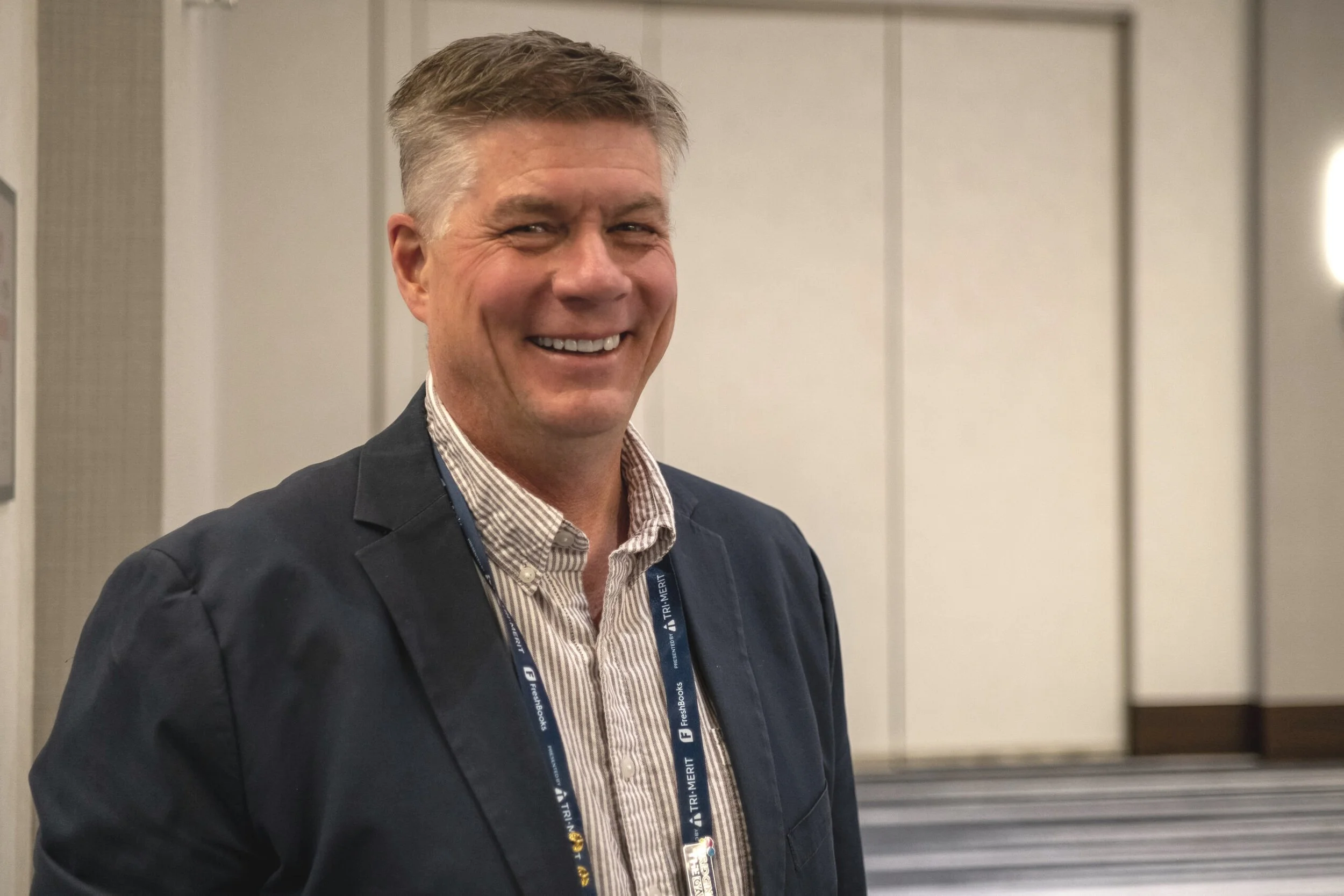
Randy Crabtree, co-founder and partner of Tri-Merit Specialty Tax Professionals, is a widely followed author, lecturer and podcast host for the accounting profession. Since 2019, he has hosted the The Unique CPA podcast, which ranks among the world’s 5% most popular programs (Source: Listen Notes). You can find articles from Randy in Accounting Today’s “Voices” column and the AICPA Tax Advisor, and he is a regular presenter at conferences and virtual training events hosted by CPAmerica, Prime Global, Leading Edge Alliance (LEA), Allinial Global and several state CPA societies. Randy also provides continuing professional education to Top 100 CPA firms across the country.
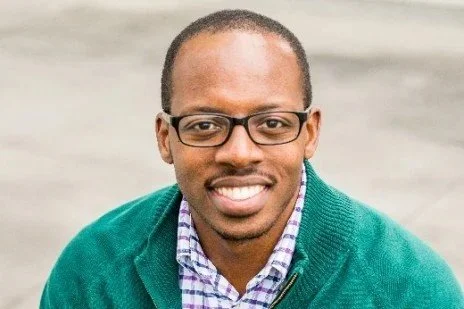
Terrell Turner is a 3x nationally ranked CPA, 2x Top 20 Global Finance Influencer. He is the founder of the TLTurner Group, which has been recognized in NYC Times Square and the NY Times as a top accounting and CFO firm that specializes in supporting law firms. Outside of running an accounting firm, Terrell hosts multiple vlogs and podcasts in addition to co-hosting The Unique CPA. Terrell is also a speaker and a content creator who regularly hosts and collaborates on video and audio content projects with multi-billion dollar corporations, bar associations, universities, and non-profit organizations.