
Accountants Won’t Be Competing with AI, They’ll Be Leading It
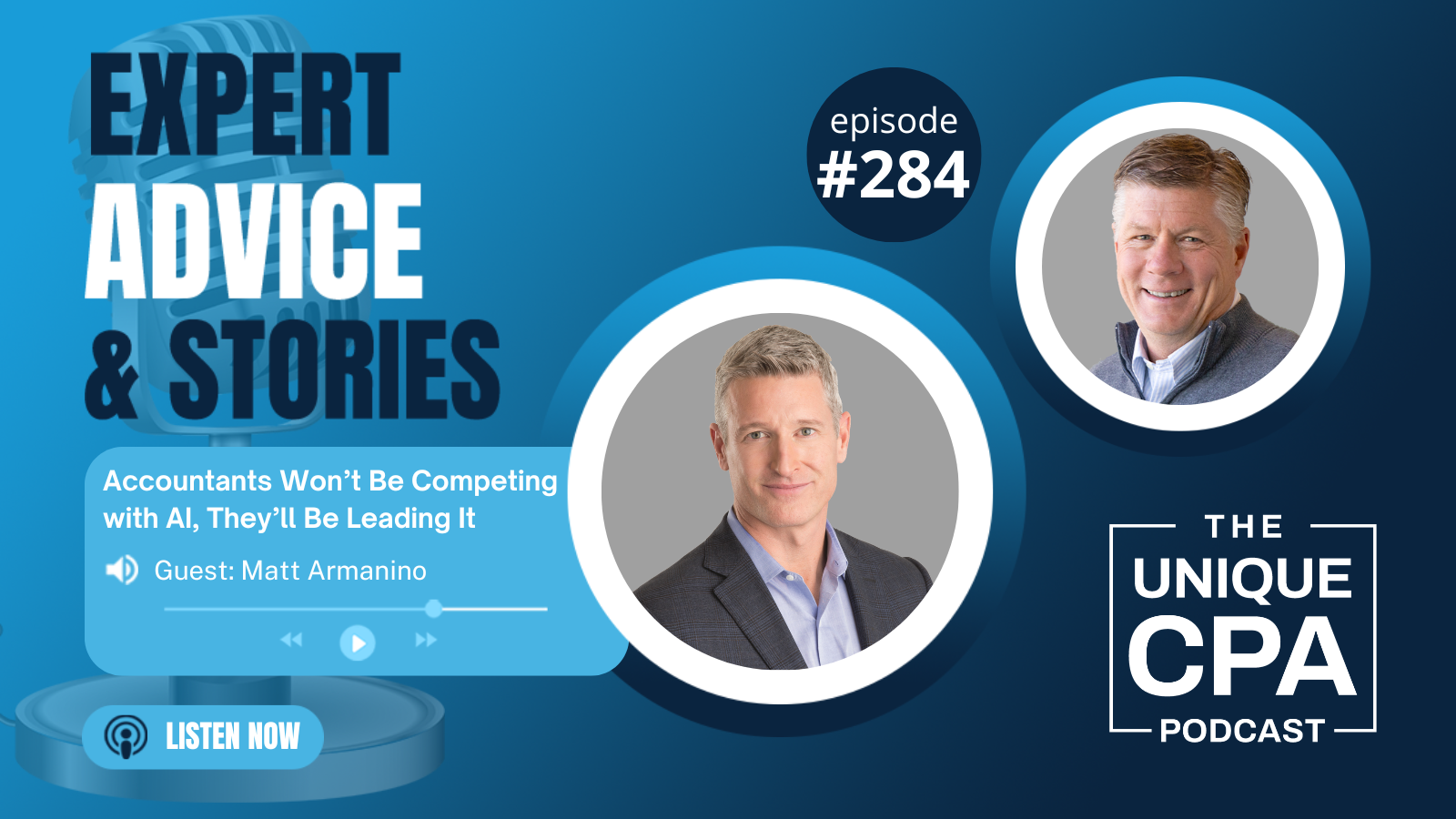
With Matt Armanino
Matt Armanino traded a law career and a stint at PeopleSoft for the CEO seat at Armanino, a top-20 firm he once never imagined joining. He tells Randy on Episode 284 of The Unique CPA that nearly two decades later, he’s steering almost 3,000 people through what he considers the largest technology shift of his lifetime. Focusing on AI’s effect on billable hours, Matt explains why his firm shifting to value billing years ago, long before generative AI made it an absolute necessity. Culture, he says, is the real differentiator once technical knowledge becomes cheap, and Matt traces Armanino’s “build anything” philosophy back to a Peter Drucker quote and a Pat Lencioni exercise that took a full day to answer one question: “Why does Armanino exist?” Curiosity as a career advantage and a firm-wide bet on becoming indispensable rather than replaceable round out a discussion about what accounting looks like once knowledge stops being scarce and you have to differentiate yourself more than ever.
Show Transcript Hide Transcript
Today’s guest is Matt Armanino. Matt is CEO and managing partner of Armanino LLP, a firm that’s been recognized for embracing innovation. With a background in technology law, corporate strategy, and executive leadership, Matt brings a unique perspective on where the accounting profession is headed. Matt, welcome to The Unique CPA.
Hey Randy, how are you?
I’m doing great. It’s good to see you. I think last time I saw you, we were in San Diego together at the Firm Growth Forum, which was a lot of fun.
That was great. It’s good to be with you.
Yeah! So I mentioned in the intro there, you’ve got a varied background. You’ve done quite a few things in quite a few industries. Just curious on all that knowledge that you’ve gained in each one, has it had a nice significant impact on how you lead an accounting firm now?
Yeah, I think so. I appreciate your spin as “all the knowledge.” I dunno, sometimes it feels like scars on the back, but it’s been a circuitous route from the start to where I am today. And, as you alluded to, I started my career as a lawyer, worked for a couple large law firms, and then eventually made my way into the tech industry. I got to work for a company called PeopleSoft in the mid 90s, which was just an awesome experience. Taught me a lot, taught me the power of teaming and people that were sort of all aligned around building a company. It was really a wonderful time. And then from there was lucky enough with a group of friends to start and help build a tech company, a startup for about seven years, and ultimately, what, let’s see, in 2008, that brought me to a moment of talking to my older brother about Armanino and the possibility of joining this firm, which is something that I never thought would actually happen. This firm’s always been a part of my life. Sort of living vicariously through my dad and brother and many friends, but I never thought I’d join Armanino Randy, but life sometimes conspires to bring you these wonderful opportunities you weren’t anticipating. And that’s what happened in my case. So yeah, I joined in 2008 and it’s been, yeah, 18 years now. It’s just been a wonderful, wonderful journey.
Wow. And I didn’t say in the intro, but Armanino is what, a top 20 firm. You’re right around that number of size in the accounting firm rankings?
Yeah. No, we are, and I, as you said, I don’t know, amongst the other top 20 firms, how many of the CEOs sort of have a background on, “I’m not a CPA.” I’ve got a lot of great CPAs around me, so more of an entrepreneur and a lot of experience in technology. And I try to always approach my role in terms of sort of an outside-in way of thinking. And sometimes I think, for all the great things we do as an industry, sometimes we have too many people that are best friends with the status quo. And so I try to see the world with fresh eyes, and I think that’s really particularly important in the moment we’re in right now, which I’m sure we’ll talk about.
We will. And actually when you just said, you’re not sure how many of the top firms are led by non CPAs, I don’t know that answer. I do know a friend of mine that I’ve had on the podcast before, Chris Geier from Sikich is not a CPA, but that’s the only one off the top of my head I could think of. And I think that both of you bring really interesting perspectives to the profession, so I appreciate the way you look at things.
Yeah, I know Chris. He’s a good guy. Smart, smart man. And yeah, so there’s a few of us out there.
There are a few, but that’s, like I said, the only two I know. So it’s pretty interesting. So, alright, you just alluded to some things we may talk about and some history you have with tech. AI is obviously a big discussion point for a lot of people in the profession. It’s causing probably some angst for a lot of people in the profession, but I believe it’s probably just because I think they look at it from a shiny object and let’s just look at everything. And for me, I think once you define who you are and who you want to serve, those decisions become easier. But I did see that you had mentioned before about AI’s democratizing knowledge. And so what do you mean by that? And is this a positive or a negative? Is it threatening us or is it helping us? How do we look at AI?
Yeah, AI is an incredible topic. It’s the biggest topic that people are talking about within our industry, and I think it’s consuming airwaves and management team discussions and board agendas for good reason. I guess a good starting point is just recognizing that we are staring down the largest technology sea change that I think we’ve seen in our lifetime and very likely in history. I think it’s larger than the invention of the printing press or the steam engine. People talk about electrification, there’s some good parallels to that one, I think. The internet, mobility, cloud computing, all things that we’ve watched and experienced really over the last, in many cases, couple hundred years. There’s some things these things have in common, these technology revolutions, if you will, they’ve all sort of led to greater levels of growth from a macroeconomic standpoint and productivity gain in many cases, I’d say to abundance. And I think we’re going to see much of that here with AI.
I was recently having a conversation with a friend about sort of some of the common themes of the, I’ll call it the macroeconomic impacts of these huge technology sea changes that happen. I think one thing that we see time and time again is sort of capital efficiency, I’ll say. I mean, every sea change significantly lowers the marginal cost of production or distribution or computation, and that drives sort of this deflationary pressure on goods and services while scaling profit margins. I think we see that, and so there’s an aspect of that with AI for sure. I also think we see something I call, it’s almost like creative destruction. You have old industries that are solely or sometimes quickly dismantled because of the efficiency gains that these new technologies bring, that often outpace the economic value of the legacy systems that they’re replacing. And I think that is definitely true in the moment that we’re in with AI right now. And then there’s this aspect of, what I’ll just call labor polarization, right? You have technology that repeatedly sort of automates routine tasks, whether historically that was physical labor in the 19th century, or today it’s more cognitive labor, but either way, that can create a temporary displacement of sort of traditional work roles before eventually creating entirely new higher leverage job categories.
And so all of those things, it’s sort of helpful to look back at these technology sea changes and see what’s happened. And I think we can apply them to the moment. But I will say this: the starting point is that to recognize, this is the largest one I think that we’ve ever experienced, and in many ways, you know, I actually mentioned the printing press and anyways, it’s like the printing press in terms of how it’s democratizing knowledge. And you’d mentioned that term and I do reference it that way because that is what’s happening. Think about the printing press, right? The printing press made knowledge more accessible to the masses. That fueled the Renaissance, it fueled the scientific revolution. It dramatically increased global literacy by making just information more accessible to people. And I think in a very similar and tangible way, today AI is democratizing knowledge. In fact, I think probably faster than anyone ever predicted, generative AI has driven the marginal cost of knowledge or intelligence, if you want to refer to it that way, to almost zero, which is kind of a remarkable thing. I think it’s a very worrisome thing to many people in our profession, because in large part, our business model for a very long time now has been, we sell knowledge, right? We sell expertise. So this is a moment of significant change for us. I don’t know if this is correct or not, Randy, but I attribute it to Andy Grove, formerly of Intel, right? I think he said it’s not technology itself that sort of disrupts businesses and industries. It’s sort of everything that the technology enables: new business models, new services and the like. And I think this point about knowledge being democratized is highlighted in that quote, like, today we’re at a moment where AI is going to enable more virtuous ways of us engaging with our clients and rethinking our business models for those firms that ultimately become the winners in our marketplace right now. So that’s kind of what I’m referring to with the fact that AI is democratizing knowledge.
Yep. And there’s a couple things I want to expand on there, but first, just because it’s, it came to mind as you talked about the business model disruption with AI. And here’s a specific one, I just want your take on it because I’m sure you’re looking at this, thinking about this already doing it. But if we’re selling time, if we’re selling hours, that model has to change with AI because now we’re delivering the same value, but probably do it in less time. How are you looking at that, the pricing model going forward, especially with AI, taking some of the, whatever work, you know, we’re still doing compliance, but maybe it’s doing data entry, maybe it’s doing these things. How do we still get the value from what we’re delivering when we’re not putting the maybe the same time in?
Yeah. No, it’s a big, big topic. I think there’s a burning platform today, so there’s more firms that are sort of coming to the table and realizing this is an important discussion for obvious reasons. I would say this is an area that I think we were sort of early disciples on.
I figured.
I’ve been friends with Ron Baker for a long time. At one point in time, he was our firm’s chief pricing officer. The vast majority of our revenue stream today, I’d say over 90% of Armanino’s revenue is value priced or fixed price. We have moved off of the, “we sell hours, we sell knowledge one hour at a time.” I would argue it probably was never a great business model to begin with. It existed for what, well over a hundred years and there’s not many business models that don’t get improved over a time period like that. But fundamentally, the problem is it’s tied to our inputs, our costs, and not to the more important consideration, which is the value that we can create for our clients in what we do for them, and the outcomes that we can drive in their businesses and their personal lives. And so, yeah, Randy, it’s absolutely a moment now where we have to move off of that, right? We have to move off of it, particularly given all of the investments in technology, AI being the greatest example, and the efficiencies, the productivity gain that can be realized through those significant investments, we will not capture them in a way that’s equitable in a good partnership with our clients if we stick to that model. So I think firms are recognizing that today and moving pretty quickly to new pricing models. Which by the way, when I talk about business models, the pricing model component is a portion of the business model, but the business model itself, I think is broader than that discussion.
I look at it, one of the things I will say on this, because I do think there’s a lot of concern on these topics or even fear and, my perspective’s quite different. I’m a born optimist and see the glass is half full here. But if you think of any business model, why a business exists, it’s because there’s a customer or a client in our case that is interested in buying the product or service that you’re selling to solve a need that they have. And I think there’s a lot of folks today as we look at all this change and wonder is the world getting worse? Is our opportunity somehow being limited? Are we missing out on some fundamental considerations? The first of which is that today our clients, their needs are not getting diminished, right? The problems they have, the opportunities they have are not becoming smaller. Our clients are dealing with more complexity and volatility and ambiguity and uncertainty. Their need for true companions to walk their journey with them, thought partners, those that are really an extension of their business to work on the things that matter most today, is as great as it’s ever been. So the fundamental business opportunity for professional services is actually really great today. It’s an attractive opportunity, and we just have to evolve to meet the moment. Those firms that are doing it right now are going to build better businesses than they ever have before. That’s for sure. There will be real winners. I think there’ll be others that are going to struggle with the pace of change and their business could be marginalized and therefore the spread, if you will, between perhaps the winners and the losers, right? The distribution curve might become broader, if you want to think of it that way. But, yeah, I think there’s plenty of reason for optimism and excitement about our industry.
Oh, yeah. I agree. And I think there’s some more, we can go on to that in a minute, but before we do that, I want to talk about, because I know culture overall is a super important aspect to you and the firm. And so expand on culture, but then not even just, yeah, let’s talk about culture, but let’s just talk about the human. Because this is a big part of, if AI is going to do more of what we’re doing, what do we need to do? But before we get into that, just let’s talk culture. I put two questions in one there. So let’s do culture first and then we’ll keep going from there.
Well, let me just kind of maybe put a button on the wrap up the conversation we’re just having. I would say this AI is not going to eliminate the need for expertise, it’s going to amplify great professionals. As knowledge is becoming more abundant, judgment is becoming more valuable. And so the differentiator in that world becomes things like critical thinking and having real relationships and business contacts, to communicate effectively and apply judgment, trust, all of these things which have historically been important in our profession, I think become more important, not less, right. The future CPA isn’t competing with AI, they’re going to be leading. And so, we’re not going to use AI to do less, we’re going to just start at a higher point in these engagements.
I mentioned Ron Baker earlier, I will say this: Ron has been a pioneer on this front for a long time. He’s talked about sort of this business evolution where firms are going to have to shift their focus away from just executing tasks to guiding their clients, their customers, through profound personal changes, business changes, and he kind of refers to that as sort of the transformational economy. And what he’s really referring to is this idea that our value is going to be measured by the client’s growth and the transformational outcomes that they can achieve, rather than just the number of hours that we can sell to them. And I think that’s exactly right. I mean, as we talk about culture, we have to have a mindset of creating people in this profession that want to be transformational catalysts. Where the value proposition there in terms of the skillset as you mentioned, are centered around human ingenuity, strategic guidance, and driving the transformation of our clients’ businesses and personal lives. I think that’s the real key there. So culture is an interesting thing. I think it’s so darn important. I think it’s like one of the most important things in business. I think it’s a competitive and strategic advantage in business, but it’s also a little bit of a squishy term. I mean, it means different things to different people. When you say culture.
Yes, it does.
So, I’ll tell you, to me, culture speaks to sort of the shared values and beliefs that we have about how we want to run our business. It speaks to sort of the discretionary behaviors and what someone in our business at Armanino is doing today when I’m not watching. And that’s a big deal. I have a quote on my whiteboard behind me here that says, “Culture eats strategy for breakfast.” That’s Peter Drucker. And I have it there to remind me every day when I walk in that, as a strategy guy, someone who loves looking at market opportunities and building new opportunities, that the enduring quality of Armanino success over almost six decades now is not strategy, it’s culture. It’s this thing that has bound us together. And Randy, I actually think back to, I don’t know, it’s the early nineties probably the book Jim Collins wrote Built to Last. You probably remember that. And he actually kind of identified this idea that you have to know it’s core to your business. The core philosophy, the reason why you exist. For us, it is culture. It is this idea that we strive to be the most innovative and entrepreneurial firm in this industry that makes a positive impact on the lives of the clients that we serve, the people in our business and in the communities where we work. And that thing that is core to you as Jim Collins talked about, has to be sacrosanct. I mean, it doesn’t change over time. You have to hold it near and dear to your heart, which ironically is interesting, because everything else outside of that core can, and actually should, change over time. Scope of your services, who you serve, how you do it, all those things change in the fullness of time. But this thing, this culture, what makes us unique and binds us together is really critical today. When I say our ambition is to be the most innovative and the most entrepreneurial firm, we talk about our culture as a “build anything culture.”
Nice.
It’s really kind of this aspirational idea that we can do anything. That the firms that adapt and win in this market, it’s not going to be those that have the biggest technology budgets, it’s going to be those that have these like very adaptable cultures where people are engaged in bringing their ideas and their imagination to the business every day. And how do you unlock that potential as a force multiplier in business? That’s really an interesting thing that gets to the heart of culture.
Yeah. So along those lines, because I love that, and I read that and I’ve heard you say it before, but along those lines, you have to have a certain aspect of your culture that allows people to make mistakes, because if you don’t have that in your culture, you’re not going to be the most innovative firm out there. And so I think a lot of people don’t recognize that. They try to hide mistakes, they don’t want to try something new because “I just wasted 10 hours and then it didn’t work.” So how do you instill that, hey, this is, we’re open, try new things, see what we can be, become innovative, and how do you do that from, you know, down to the someone that’s been there for a week?
Yeah. Yeah. I mean, Randy, you’re right. And this is, you asked about my background. I mean, coming from the tech industry, that’s a very natural thing. Risk taking, smart risk taking, not being afraid of failure. A failure is just a first attempt to success. And it’s how you make progress and whatnot. That’s a very natural thing, say within the core of the technology industry, but in our profession, it’s the opposite. We tend to attract people who are risk adverse, don’t want to make a mistake, don’t want to sort of fall out of line. There’s consequences for that. I think that we really have to challenge that, right? I mean, I just said that our aspiration is that we want to be the most entrepreneurial firm and innovative. Let me be clear about this: That’s impossible for Armanino to accomplish if we don’t have a very, I’ll call it bottoms up, viral culture around idea generation, around people engaging in the business and feeling very empowered. In other words, if we think that the great ideas are just going to come from the top and sort of miraculously trickle down through our organization, that’s a bad strategy. I have to tell you, I’m not going to be successful with that.
Innovation happens when everybody feels empowered to drive improvement. And in that role, it’s leadership’s job to sort of create, as you said, the environment, the psychological safety, where people can experiment, where they can take risks, where they’re not worried about screwing up, knowing that through those very efforts, that’s how every day small improvements happen that create big, long-term impact. And so I think the best organizations today actually reward curiosity. Not just execution, doing the right things, following existing process, curiosity. How can we do things better? I think that’s really the key. We use the word internally a lot. Empowerment. Actually years ago we wrote a book about Armanino’s culture. If you’re interested, you can find it on Amazon. It’s entitled Empowered. And there’s a reason why we called it that, because I think empowerment speaks to the idea that our team members and our firm really desire to have voice, right? To be able to advocate ideas. And most people who join us, right? That’s one of the big reasons they want to come and help drive improvement. We’re a really good firm today, we have a lot of ways we can be a better firm, and so how do you unlock those ideas that exist all across the organization, allow people to bring the ideas to pursue their passions? And that is by the way the heart of what we call a build anything culture. It’s the idea that innovation is every single person’s job in the business, not one person’s.
Yeah, I love what you said about curiosity because people want to measure IQ as the standard or something like the aptitude test. But if you’re not curious, I don’t see how you can be innovative. I don’t see how you can come up with new ideas. I’ve taken that from a book I’m reading right now, but I’ve thought that, but I just reading the book, I don’t know if you’ve ever heard of it. I just pulled it up here, The Intelligence Trap?
Yes, I have, that’s exactly right.
I’m pretty intrigued with this book.
My brother used to always have a quote on his whiteboard, and it said that “The cure for boredom is curiosity. There is no cure for curiosity.” I mean, if you are someone who’s curious, it’s a lifelong pursuit of sort of day one thinking and seeing the world with fresh eyes and challenging yourself to see the world kind of from this outside end perspective. So that’s really important and, again, contextually today, it’s often from, again, it could be the lowest level staff person in Armanino, who has the idea. Someone who’s closest to the client problem has the best solution. You know, internal tools that we’re using today and workflows often today, the things we’re pursuing originate from the practitioners and not from leadership. That’s the thing. In many cases, even our newest staff, people right at the very beginning of their career have lessons to teach those who have been around a little bit longer, around the use and adoption of AI, etc. So I think, I guess part of what I’m talking about is you want to have an environment where ideas, if it’s a marketplace for great ideas and the best ideas should win regardless of where they come from, regardless of who they come from.
I love that. I love that. It’s, so I am, by the time this is airing, I will be retired from Tri-Merit, the company I started 19 years ago.
Congratulations!
And, but my whole thought process now is I’m gonna come work for you. I want to be part of that.
We’ll take you, we’ll take you, Randy. Yeah. Well, I think if you want to be a magnet for talent, you have to really, I think, embrace this thing that matters most to people. I think a lot of individuals’ fulfillment and work comes from knowing that their work matters, that they can make impact and, this is how you have to do it. You have to unlock it.
Yeah. I want to do one more thing on this section we just talked about, because I love what you said. When you defined who you are: “Innovative,” can you say that whole sentence again?
Yeah, yeah. You know, it is something I refer to as our purpose. And I got to say, I can’t claim credit for this. I don’t know if you’re a fan of Pat Lencioni. He’s a wonderful bestselling author. I recommend his books, The Five Dysfunctions of a Team, The Advantage, these are business staples that are quick reads and massively impactful. Pat’s a great, smart leader. He’s a great speaker, he’s a great consultant, he’s a great friend of our firm. Years ago he was helping us with a management offsite, and he asked that icebreaker question. He said, “Let me ask you a question: Why does Armanino exist?” And I’m thinking, “Oh my God, like this existential question.” And he said, “I mean it in this context, like why do you exist together? Everybody could go get a job someplace else. Why do you vote with your feet to come together and work here?” And I got to tell you, Randy, that it was intended to be like a half an hour icebreaker. We spent the full first day of an offsite on that question alone because Pat made the point: this isn’t about just a mission statement or stating values that sound like everybody else’s. It’s really the core purpose, as I talked about before, the stake in the ground that allows every single person in the organization and new people that join the organization to know what you really stand for. That purpose in our case, is our ambition to be the most innovative and entrepreneurial firm that makes a positive impact in the lives of our clients, our people and our communities. That’s Armanino’s purpose. That’s why we exist.
Yep. And why I wanted to bring that back because with disruption, whatever, something’s going to get disrupted all the time in every profession. And if you were to define yourself as, “We want to be the best at tax preparation and accounting,” well, that’s going through some disruption right now. That’s still going to be there, but it’s changing. And if you know, you said, compliance is where we’re at. If that’s how you define yourself, well, you’re stuck, you can’t change now, because that’s not how you define yourself. The way you said it, I mean, you could go out and be, and not even accounting, not, I mean, you could be anything that’s going to have this positive impact. And so I love that because now you are, you’re not afraid of change, you’re not the next big thing or the next scary thing to some people that comes out, you’re ready for it because you know who you are.
You’ve got it. I mean, look, one of my big observations when I first joined this industry, and there’s so many things to like, but I was sort of amazed by the fact that firms, including Armanino, often self-limited when it came to how they thought about and defined, I’ll just call it the scope of the client relationship that we have. I was amazed how many of our clients love the firm. I would ask to go meet with the client and people would say, “Yes, I want to meet with you!” And you’d meet with CFOs and they would sing our praises. And I’d come from a world selling technology where you’d bang down the door to try to just get a meeting with somebody who was trying to avoid you. And so here we are, like many other firms with these wonderful client relationships, we’re in this privileged position of clients that know us, that like us, we know their business, and yet we tend to often go in and limit ourselves to a conversation about what we’re doing today or what we’ve done historically. It’s the proverbial sort of, if you only have a hammer, you get up every day and look for a nail. And I have to tell you, that’s really, it’s sort of a sin, a sin that we should not commit as professional service providers. We’re at our best when what we are doing is looking at the client and what their needs are and their opportunities, and figuring out how the heck do we position ourselves as like sort of this indispensable resource of value to them and helping them with the things that matter most in their lives and their businesses? And if we do that well that the question should be why not us? If we’re not doing that, somebody else is going to do it. It should be us as accountants and consultants and advisors, for those relationships that have relied on us for so long.
So yeah, I think that’s the core of it. And I actually think I appreciate what you said today. A lot of this kind of comes to bear in this conversation about how we think about the future of our industry and our businesses and the heart of it, what we do. A lot of conversations about compliance and are we going to be able to move beyond compliance? I think we need to move beyond compliance, but I also chuckle, there’s a lot of people that say “Compliance work? We should stop doing that entirely and do something totally different.” I don’t know. I think that’s the equivalent of sort of throwing the baby out with the bath water. I think that compliance work has to be done, it has to be done well and with integrity, and in most cases, it puts us in this wonderful position to have a discussion about the broader set of needs that our clients have today, which are growing and changing so quickly. So look, I mean, we are living in a moment of change, there’s no question about that, right? And this is a very consequential, strategic inflection point for our industry, which requires firms to reassess and reimagine many aspects of the business, including sort of the core of their services and solutions and capabilities for the future. I think that is what we have to stare down in this moment and, I don’t know. I think people should be pursuing that effort with a lot of excitement because the opportunity is tremendous.
Yep. The opportunity is tremendous. I agree completely. I agree with everything. You just, I think you and I have very similar ideas on a lot of things. You’re just way smarter than me on it. And so I get to learn from you.
Oh I doubt that!
But you just mentioned about the opportunity and the change and that scares people. Change in general is a scary thing, and I understand that. But you’re leading this organization with, how many thousands of people do you have inside your firm?
Almost 3,000.
Yeah. And so let’s talk about the change that’s happening. You’re innovative. I’ve seen that from the outside. I’ve seen it before I met you, what you’re doing there. But since change is a scary thing, how do you lead people through this? I mean, we hear about change management and all this, but what’s a concrete thing? How do you get people to be engaged in the change that’s happening?
Yeah. I think you have to start to ground yourself in some, into some basic, immutable truths. Truth is the starting point for all progress. And here’s the first thing I would say in that regard is that we are living in a world that is spinning pretty darn fast, it’s not slowing down, like today is the slowest day of the rest of our life? I think we know that. And the import of that is that for firms who have been able to sort of do the same things the same darn way for so long, really produce pretty outstanding results, that’s just no longer going to be the reality. Firms, to achieve the same levels of success, or hopefully greater levels of success, are going to have to evolve. They’re going to have to change. So change is, it’s not optional, right? So I get it, people may not want to do it, but it’s better than the alternative, which could be irrelevant or certainly be marginalized, so change is a necessity. And you are right that many people, many human beings would rather not change if they didn’t have to. That’s probably particularly true of accountants and consultants, but the opportunity here in doing it is great and it is necessary. Those that engage in thinking about how to evolve and change the business will shape the future. There’s a new frontier out there that’s better than in the past, but we do have to change.
So look, I think change management you mentioned is kind of this subject everyone’s talking about. I think it’s the real risk, right? Technology is going to be accessible to most people, it’s not going to be the key success factor. It’s just not going to be. Success is rooted in people, in human beings. All good outcomes that are happening to business today, or perhaps bad ones, have people behind them. And so it’s a question of like, how do people in organizations seize the opportunity right now, sort of, again, with fresh eyes. I almost imagine if you’re going to start the business all over today, like what would you go out and want to build and create, and how would you do it from the bottoms up? That’s a great exercise. And those people that lean into that I think are really going to thrive. They’re going to do great for sure. So lots and lots of opportunities, lots of discussion around it. But yeah, I think that’s what we’re focused on here.
Yeah, I’ve used you as an example recently talking to somebody about, I think I’ve heard you say that before. How would, if you were starting to firm over today, what would you do? And I love that thought process. I have a friend who actually, she came out of tech, she has a CPA, but she was working in tech as well, and about a year ago—she’s in the San Francisco Bay area—and she decided she was going to go start her own firm and they’ve defined themselves as a, I don’t know for sure, but I, she talks about being an AI-enabled accounting firm. I think that’s how she said it. And so it’s really cool to see what she’s built and she’s built it pretty quick in less than a year when she’s leaning into, everything that probably not everything that scares everybody else, but it does scare people. And the cool thing that I’ve learned from meeting you is you’re doing that at scale too. I mean, with almost 3,000 people, you’re leaning into the technology and the change and everything we talked about today.
Before we wrap up, I want to ask you a couple final questions. But first, I know we have a lot of managing partners that listen to this show and they’re like, “What do I do? Where do I go? What’s the, how do I determine where, what we’re supposed to be?” If there was like one change, and obviously change can’t be the same for everything, but one thing that you would suggest they lean into to help them decide how they’re going to move forward with this rapid pace of change, what would that starting point be?
Well, I guess there’s a couple thoughts I would have. One is in terms of internal use cases, find a pain point that’s solvable today. There’s a tendency at times with incredible technology like AI to get overwhelmed, sort of boil the ocean, and I think that a pragmatic approach to looking at what are the best use cases today, the sort of low hanging fruit to affect change, to build a tool, a process change, and then sort of migrate, if you will, a portion of the business to solve that problem and fix it, and then move on to the next is the right way to go about it. That’s the advice we’d give to clients, we need to heed our own advice internally.
The other thing is maybe a little bit broader comment, Randy, but I think it’s an important one. I have a lot of conversations with folks in the industry about AI and how they’re thinking about change, and I would just say this: I think that maybe 99% of that conversation today is focused on sort of this internal use of AI, these internal use cases to affect change within the business. I think a lot of that has to do with how we’re going to drive sort of the use cases around operational efficiencies and productivity that’ll allow us to sort of maybe lower the cost to deliver certain services we have today. Most of that, I would just say, has to do with looking at certain services and saying, how is it that I take the existing services and business models and make them more efficient, which by the way, we should always be thinking about as an industry. If you’re not doing that well, you’re probably going to be at an inherent competitive disadvantage relative to others. So I think that’s fine. And AI can improve how we go about delivering our services. We have the opportunity from the ground up to rethink work streams and business processes and sort of how we team awesome human capital with digital workers, if you will, to reimagine how we go about doing what we do today for our clients. Terrific.
But the other half of the equation, which is incredibly important, and I see far few people focused on it, is what does AI do to enable entirely new services for our clients, services that will be more valuable in the future than things that we’ve maybe done historically in the past? And there’s all kinds of new things that we can be doing today to reimagine that kind of, like I said, the footprint of the services that we’re building, that AI is enabling, to make our businesses better and stronger, not just to be more efficient with what we already do, but to create new value streams. A lot of this today has to do with advising clients on AI, on AI strategy and implementation. In many cases, it has us going to them and doing a much better job of benchmarking where they are versus peers, identifying opportunities for sort of operational improvements in a way that we weren’t able to in the past, helping clients interpret their financial trends and not just report on them, be more forward looking in our engagements with them, helping them to manage change as we’ve talked about.
Look, I think the best advisors are going to create value for clients in ways that they don’t even realize it today. And I think that technology is going to free us up to spend much more time doing the uniquely human work that clients value most. Right? So I think our goal in that context has to be not just to answer the questions the clients have asked us in the past. Are we even answering the questions that clients haven’t thought to ask us yet. So look, I think that’s really exciting. I understand we might not have all the answers of what that looks like for the future of our practice is, but there are many ways to start with that today, and we will continue down that path of new ideas and doing new things that we’ve not even contemplated. So I think that’s probably the more exciting part of this. It’s not just about creating internal efficiencies, it’s about reimagining and evolving our business in a way we become fundamentally more valuable to those that we serve.
Yep. And it becomes easier the way you have defined who Armanino is. So I go back to that half day of figuring that out with Peter, what was his name?
Pat Lencioni. Pat Lencioni. Yeah, he’s great. Maybe just a closing thought. I know we’re going to wrap up here. I think that, you know, I talk to a lot of young people coming into the profession, people joining us and others. I think there’s so many reasons to be excited about all of this. I really do. People sometimes like to ask, like, Matt, what are you worried about? What keeps you up at night? I don’t, there’s some things that we’re immune now and again, but I tell you what, there’s a heck of a lot more that gets me up in the morning that’s exciting to me about this business and the client relationships that we have and where we are going to grow in the future. And I think young people right now, there’s never been a better time to be alive and to join this industry. The future is going to belong to new young professionals who combine technical expertise with human intelligence, this convergence between traditional, what technology companies have done and what professional service companies have done and put it all together, to sort of achieve what we would call our vision for the future, we call it Vision 2030 actually, which is to create sort of the lead, a situation where we’re the leading provider of truly technology driven professional services for middle market companies and high net worth individuals. And so I just would say that, there’s no reason for gloom and doom.
Nope.
The future is very bright and it’s going to be led by a lot of the new people in it now who have so many of the capabilities to be curious. As we said before, that’s a career advantage, curiosity. Who have great AI sort of native skills they’re bringing into the profession, and it’s our job to make sure that we don’t lose sight of the communication skills, the relationship skills, the business acumen skills to pair with that. But yeah, I would just say that for people listening, everybody should be excited about what lies ahead.
I agree. Alright, well I think that was a very good wrap. I was going to ask for you to wrap it up and you did a great job already. But before we finish, a couple final questions and everybody gets this question. I don’t think I warned you ahead of time, but obviously your passion for the profession comes through, the amazing things you’re doing with Armanino, but when you’re not thinking about work and your clients and AI and automation and innovation, what do you do for fun? What’s your outside of work passions?
Man, I love fly fishing, Randy. I’ve been a fisherman my whole life and I got into fly fishing about a decade ago, and it’s, I don’t know. I have friends that are golfers and I think it’s maybe similar to golf in the sense that you take it up and you’re kind of always a beginner. It’s a lifelong learning journey, but boy, putting my feet in a trout stream in the mountains, is sort of my therapy, my meditation. But it’s an awful lot of fun and I’ve got a great business arrangement with the trout: They let me catch them and I agree to put them back. So it’s, yeah, that’s what I love to do. It’s time with my family in the outdoors. It’s a lot of fun.
I have been a fly fisherman in the past. It’s been quite a while. I’m not sure where my fly rod is right now. I’ll have to go see if I can dig that out and get back out there and do it again.
We’ll put our feet in the stream together.
There you go. Alright, and then final question: If people want to hear more about what Armanino is doing, what you personally are doing, where’s good places for them to look?
Yeah, no. Check us out on all your social channels. We’re out there and our website. And as I said, if someone really wants to learn more, take a look at our book, Empowered. All the proceeds from that book go to our foundation. We give it back to the community. But yeah, we look forward to engaging more with anybody that would like to learn more about our firm.
Well, great. And Matt, thanks for being on this episode of The Unique CPA.
Really nice to talk to you, Randy. I appreciate you inviting me on.
About the Guest
As Chief Executive Officer and Managing Partner at Armamino Advisory LLC, Matt Armanino focuses on firm-wide growth and bringing innovation to every part of the firm’s infrastructure in order to better create value and drive successful outcomes for clients. He leads the development of Armanino’s short- and long-term plans, including strategic partnerships, new solutions and services, and mergers and acquisitions (M&A) strategy and integration. He previously served as the firm’s chief operating officer, where he was responsible for all internal business functions. He was also integral to the success and explosive growth of the Consulting department, where he led six department-specific acquisitions, as well as new software partnerships, and introduced a deeper range of CFO solutions, more than tripling the department’s revenues. He also served on the Executive Committee, where he contributed to the firm’s vision, growth strategy and infrastructure development. Matt brings to his role extensive industry experience in corporate strategy, market development and sales, and service and operations management.
Meet the Hosts
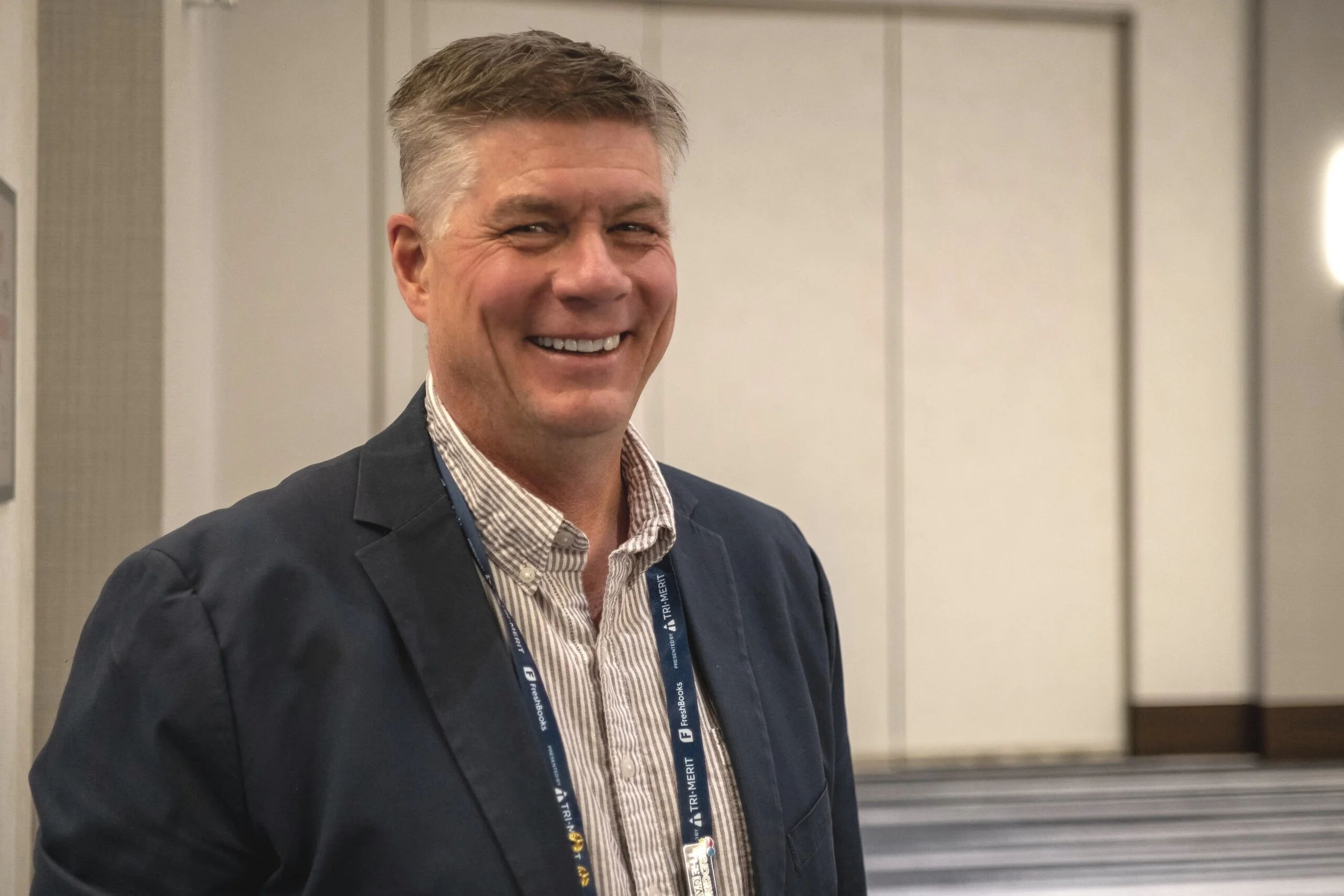
Randy Crabtree, co-founder and partner of Tri-Merit Specialty Tax Professionals, is a widely followed author, lecturer and podcast host for the accounting profession. Since 2019, he has hosted the The Unique CPA podcast, which ranks among the world’s 5% most popular programs (Source: Listen Notes). You can find articles from Randy in Accounting Today’s “Voices” column and the AICPA Tax Advisor, and he is a regular presenter at conferences and virtual training events hosted by CPAmerica, Prime Global, Leading Edge Alliance (LEA), Allinial Global and several state CPA societies. Randy also provides continuing professional education to Top 100 CPA firms across the country.
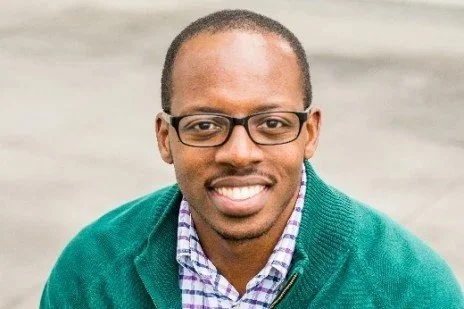
Terrell Turner is a 3x nationally ranked CPA, 2x Top 20 Global Finance Influencer. He is the founder of the TLTurner Group, which has been recognized in NYC Times Square and the NY Times as a top accounting and CFO firm that specializes in supporting law firms. Outside of running an accounting firm, Terrell hosts multiple vlogs and podcasts in addition to co-hosting The Unique CPA. Terrell is also a speaker and a content creator who regularly hosts and collaborates on video and audio content projects with multi-billion dollar corporations, bar associations, universities, and non-profit organizations.