
A Values-Driven Firm and Culture
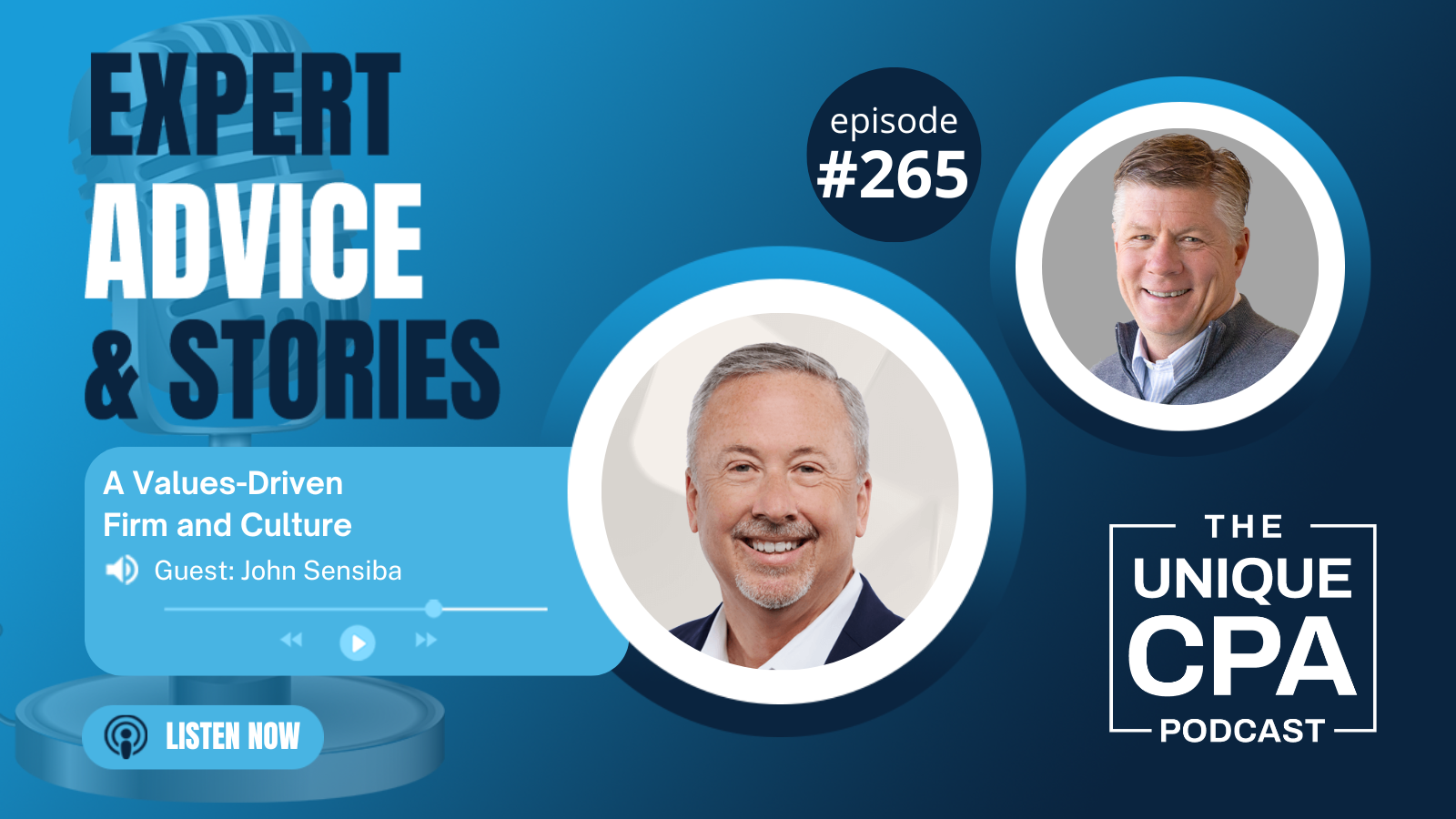
With John Sensiba
Support for this episode comes from BILL. Simplify your workflows and accelerate your growth with BILL’s Accountant Console. Take a demo today at BILL.com/uniquecpa for a $250 gift card – terms apply.
In 2008, John Sensiba became managing partner of what is now Sensiba, and promptly watched revenue fall from $18 million to $13 million. On Episode 265 of The Unique CPA, live from Bridging the Gap 2025, he tells Randy that it turned out to be the best thing that could have happened. His and his team’s deliberate, sometimes painful commitment to values eventually transformed a regional firm into a near-$100 million practice. John also talks candidly about the moment in March 2020 when old fears resurfaced, why he eventually gave up his tax practice entirely to focus on leading, and what a six-years-out succession announcement actually does for an organization. He also makes a sharp case against time sheets, not as a billing philosophy argument, but as a values one.
Show Transcript Hide Transcript
Hello and welcome to The Unique CPA with your host Randy Crabtree. Bridging the Gap 2026 is coming soon, so we’re bringing you conversations from last year’s event. Stay tuned for the thoughts of top voices in the profession as we look forward to BTG Charlotte. The Unique CPA is brought to you by RandyCrabtree.com. Log on to learn more.
Hello everybody, this is Randy Crabtree, host of The Unique CPA Podcast and Bridging the Gap Conference. We are actually recording live at day one of the Bridging the Gap conference in Denver, Colorado. Having a great time so far. I’m a little tired from everything going on so far, but I am super thrilled to have John Sensiba with me here today. John, thanks for sitting down and talking.
Thanks Randy, I’m happy to be here.
I’m happy, and you just got here, so you haven’t gotten to experience anything yet, but I’m looking forward to you getting to experience what’s going on here. It’s a lot of fun. You’re going to enjoy it, I swear you are.
I regret what I missed this morning, but I’m excited about what I get to participate in later today and then tomorrow, of course.
Awesome. Man, you’ll know how often I talk about you and tell your story and you becoming managing partner, and that’s inspired me for so long. And so I do want to kind of talk about that story a little bit because 2008 is when you became managing partner.
Good memory.
I tell you, I talk about this all the time. The firm at the time was called, well, Sensiba San Filippo.
It was called Ireland San Filippo.
I didn’t think it, I thought that probably wasn’t Sensiba since you weren’t managing partner yet, and then it changed, but it was a really interesting time, obviously in 2008. I think people, at least that are not Gen Z, maybe understand, actually Gen Z understands what happened in 2008, ’cause they grew up with their parents going through that. But there were some interesting things happening. But you had ideas of how you wanted to have this firm grow going forward. And one of the key things that, now I’m just talking the whole time, I’m going to tell you your whole story. The key things that always impressed me is that you had this idea that you wanted to create a firm where people and their families could thrive. But that was a hard time to thrive in 2008. So you want to kind of just tell that story of you taking over and the changes you made and the disruption maybe that it caused and how you got through it.
Sure. Thanks Randy. And I’ll make one correction: It’s not me, it’s “we,” for sure. It wasn’t me, it was me and a group of my partners who decided that we wanted to create a firm that would be the kind of firm that we would like to hire if we were clients. So we started thinking about, okay, what would that take? We realized that we wanted to hire people that were really excited about whatever it is that the client does. So whether it’s manufacturing, construction, venture capital, whatever it was, we want somebody super excited about that. And we thought, well, there’s a lot of industries that we serve because we need clients and we’re not all that excited. So we said, well, we’re probably going to have to either find somebody who’s passionate about serving them or we’re going to have to kind of transition them out of the firm because, now that we believe this is what we would want, we really have to be that to other people. We’re big believers in the Golden Rule. So we decided to change our compensation model, to give partners the latitude to do the right thing.
The other thing we said was we wanted somebody that would be a national or international expert in whatever it is, and unafraid to talk to the Senate Finance Committee if there was a tax law that might impact my industry as a client, or the FASB back then if there were financial reporting regulations that would impact me, that somebody that was really serious about the profession and excited about serving my vertical. We also discovered at that time that when there’s real stress on an organization, and I don’t know any organization that wasn’t really stressed by the great recession, values matter a lot. We found out that our values were not as solid as they could be, and that was painful. Painful to get through that. We did start to change things and some people opted out and that’s okay, no judgment. This is who we wanted to be. Once we realized that’s who we’d want to hire, we felt like we were obligated to try and become that, and if that wasn’t somebody’s vision, we were making lots of money doing the things that we were doing. So why change? You know, don’t leave fish to find fish. There’s a lack of fish here. Where did I go up river? So that happened.
We continued to mature and grow as a firm. And I’ll tell you a tale of two crises. 2008, just became managing partner, there was lots of stuff going on. The firm was renamed really as a result of all kinds of really not great things. And that was pretty tough. March of 2020, another crisis, everybody’s got to go home. There are predictions of a 40% drop in GDP. CPA firms are laying people off left and right. I’ve got all the articles that my own employees sent me about other firms having layoffs. And I had one bad night where I had like PTSD from 2008. And then I just fell back on our values and acted in accordance with our values. We did some things, we didn’t lay anybody off. We were very clear about and transparent about what we needed to do as a firm to avoid layoffs, let people crowdsource those answers on how we could solve some of the problems we had. And it was sad. I have, for the last 15 years, chaired the board of a hospital and had to deal with the realities of people dying from COVID. But from a business perspective, because our values had become so strong, in that interim period I had one bad night and then I thought, wait a minute. I don’t have a choice. These are our values, act this way, and it makes life pretty simple.
I love that whole story that you just told because that was a lot of what I talked about this morning: mindset. Your mindset kind of left you for that one day, it started playing tricks with you, and then you just leaned into, no, this is who we are, these are our values, and you self-corrected. The other cool thing based on your story is that today I was talking about journeys and change, not fearing change, because when you came in, in 2008, and you made this change you could have just kept going as is, and just kept going down the same path, but what you saw is that there’s a different way, there’s a different path, there’s a change that may be painful, but you felt, and I should say “they,” everybody you kept saying, correct me, felt that that was the right path. And it probably was painful, but it got you to a spot, and to cut to the chase, not that revenue is the definition of everything, but you know, top 100 firm in accounting if it’s based on revenue. That’s pretty impressive. And that, what you went from, I know you went from a certain amount of revenue in 2008, you dropped, for a couple of reasons. And then so why don’t you give us just the metrics of where you were and where you are.
Well, my leadership magic took us from an $18 million firm to a $13 million firm, something like that. It was a pretty significant drop. And like most firms, it’s been a very good time to be in public accounting. We can complain about the pipeline, we complain about a lot of things, but it’s been a very good time to be in public accounting. So we’ll end our fiscal year this year, April 30th of ’26 is our fiscal year, and we’ll probably be at a hundred million in revenue almost exactly. That’s the plan anyway.
And that is, again, not that revenue is everything, but I think that is a proof point of taking that veer off that path. And this is the theme of this conference, things like that. And that’s why I wanted to talk to you about this today because, you know, not being afraid of change, embracing it, the mindset even that you brought in, and the big thing that I talked about this morning was vulnerability. And you, I’m sure, had to display vulnerability when you went up and said, this is what we’re going to do and I need all your help to get to where we want to be.
Yeah. This is very, “I think we should go. I hope you come with me.” You always have to look back and see if anybody’s coming with you.
Yeah. So that story, I just, it always impresses me and I’ve always been impressed by what you’re doing, but now I want to veer off of that. And thank you for sharing that. I really appreciate it. I actually got to fact-check myself during that talk there.
Well, we’ll compare this to our first podcast to see whether I’m saying the same stuff.
And honestly, you were one of the first two or three guests, I think, on the podcast, top 10 for sure. First time in ’19. And this is what we discussed back then. You and I are both getting older, so hopefully we did remember correctly. We’ll see. Now let’s talk because you are doing a keynote presentation tomorrow, and I am so thrilled that you’re doing this. Give us a sneak preview of what you’re going to be talking about tomorrow.
Nothing anybody doesn’t already know. There’s nothing new under the sun. There’s so much fear right now about change in our profession, some super positive change, I think, that PE has brought, to cause us to focus on our businesses more than maybe we have in the past. But even with AI and bots and all the other things that are coming in, people help people, and that’s what our profession has always done. So I’ll talk a little bit about Back to the Future, about the profession before the onslaught of time sheets. Back in the 40s and 50s, we didn’t used to keep time sheets. Now you were not in the profession in the 40s. No, that is true. I was a couple years after that. But 1913 is the first time somebody really started to think about time sheets in the professions. Didn’t really catch on until the time and motion studies during World War II to try and maximize factory output for the war effort, And we decided that that was a great way for us to… oh my gosh, how horrible. So, an 80-year mistake that we’re trying to correct, yeah. And I’ll just talk about, you know, people help people. That’s what we do.
Yep. People, and the culture, you created a people-first culture. I think a people-first culture is so important in any organization. So let me ask a question then, based on what you just said: do you keep time, track time at Sensiba?
We do in most of the firm. Our cybersecurity, the GRC practice, we do not, and I’m hoping to infect the rest of the firm with that, because it’s really inconsistent with our values. It really is. Measuring inputs has never been, and you could measure inputs in a factory and if everything comes out bad, what’s the difference? How fast you got bad stuff out? And just the whole concept of, “Randy, I’m going to pay you by the hour, so the slower you are, the more valuable it is to me.” You know, that’s the way we, it’s, work finds good people in our profession. So when you’ve got a really talented staff person, you can’t get their time. Everybody wants their time. So, “I’m sorry, I’d like to have Randy work on your work, but he’s too busy, but John always seems to have available time because he’s not all that bright. He is a little slow. So not only are you going to get the guy who’s not that bright and he is a little slow, but he is going to take longer, so it’s more valuable to you, Mr. Client.”
What a ridiculous story we have been telling, but that’s exactly the story that we’ve been living. It’s just such a nutty thing, but it’s hard to get people who have valued themselves based on chargeability and realization and utilization. And I was talking to Courtney De Ronde last week. Her firm doesn’t have time sheets. And she said one of the things that she didn’t anticipate was that the highest performers, when she took away time sheets, said, “How are you going to know how good I am? How are you going to know I’m more chargeable than anybody else in the firm? How are you going to know how good I am?” That’s a fair question. I never would have anticipated it though. But there are so many metrics now that we can measure on the backside: client satisfaction, whether you get things done on time, whether the quality is good, that we never have to look at time sheets to know which staff people are the best. And we just kid ourselves that we use that as a pricing tool, ’cause we don’t.
I think another key theme of this type of conference, Bridging the Gap, is that there are always different ways, there are always better ways, there are always metrics that you can use to value, and valuing your worth on an hour is just not the right thing. Valuing your worth on the outcome that you’re delivering? I think that’s an important way to do things. A couple of last things I wanted to ask you about before we wrap up. I’m going to go into two things. We’re going to run out of time, but we’re going to do it. The one thing that always impressed me is when you did take over as managing partner, one of the decisions, and I might be putting words in your mouth, but one of the things I remember you telling me is that sometime after that you decided that your number one responsibility was the firm, not client work. Is that something that you’ve continued to live by? Were you able to do that?
That sounds more intelligent and strategic than it really was, Randy. Thank you for that. At some point in time I think my partners, my wife, my kids, my friends, and my siblings all told me that I was being crappy at every one of those roles, and I had to give something up. And being a full-time tax partner with a pretty heavy load was the thing that my partners also asked me to give up. So yeah, it made sense. It’s been 10 years since I signed a tax return other than my own.
And now you just displayed vulnerability, saying “I am not good at all these things at once,” and had to make that decision, had to decide where is your value, where should you spend your time, where do your passions lie, and where are you most valuable? So you are hitting all the buttons here today.
I think that’s true of everybody though. At some point in our lives, we get a little out of balance and you think, I’m doing lots of things really crummily. Why don’t I do fewer things and try to be better at them?
Well, that’s a great perspective, honestly. And I think a lot of people are looking to learn that and they don’t know that they’re looking to learn that at this point, and hopefully they find it. And then last question: you are transitioning out of managing partner?
That’s correct.
And this was, you had a pretty long runway to get this set up, six years’ notice?
Five and a half years ago.
Wow, that’s amazing. So was there a reason that you gave yourself such a long runway?
Well, I knew I had more that I wanted to do, and there’s still, I mean, I wish I was 30. There’s still a lot more I want to do. But I also knew that I didn’t want to be the one that people were thinking, “Oh my gosh, is he ever going to retire?” I also believe that there’s a shelf life for leadership in an organization, and I will have done it for 18 years when I step away. I think so far the plan is that I’m going to live that long and yeah, things will work out. I just felt like it was the right thing to do, and I also knew that if I didn’t throw a stick out there and then move towards it, I might continue to move that stick. So I was very public about it with my partners and other folks that that was going to be the date, and I’m not leaving the profession. I’m not leaving the firm, but I’m leaving that role. I thought if I didn’t set a deadline, then maybe it would never happen, and then I’d die in the saddle. And that’s just not a good way to transition.
If we were going to do a conference solely on leadership, you would be our only speaker. I really appreciate everythingz you shared today. Every time I talk to you, I’m inspired, so thank you for sitting down with me.
Thanks, Randy. I appreciate it.
About the Guest
With over 25 years experience in professional accounting, John Sensiba specializes in providing accounting, business consulting, and tax advisory services to companies throughout Northern California. As Managing Partner of Sensiba LLP, John is focused on directing the firm’s strategic plan and market growth, providing oversight on all executive and operational decisions, and leading the firm’s staff in the delivery of superior client service.
John is sought after for his depth of technical expertise related to tax matters including business and personal taxation, the tax structuring of business transactions, taxpayer representation, tax planning, performance measurement and organizational business consulting.
Meet the Hosts
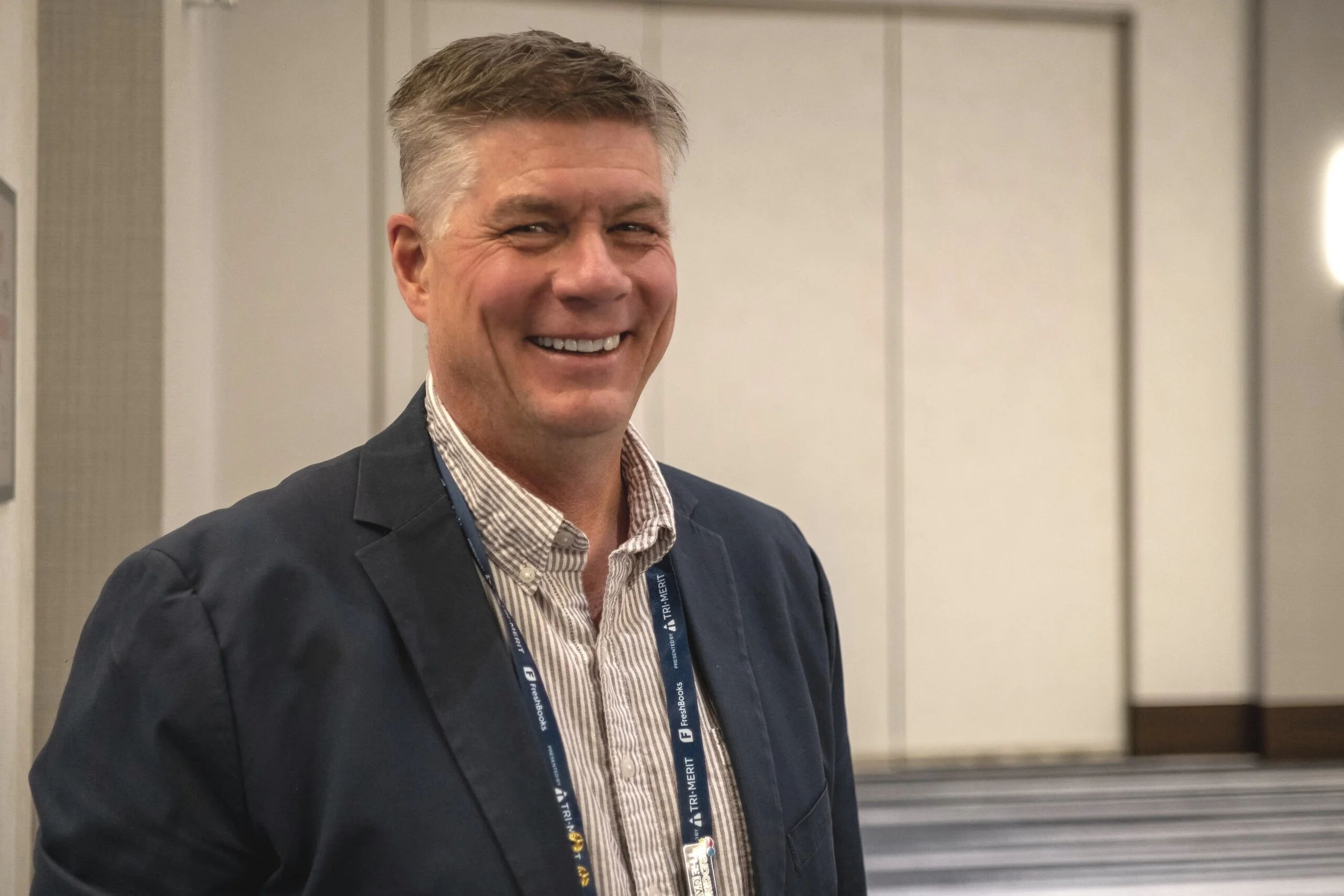
Randy Crabtree, co-founder and partner of Tri-Merit Specialty Tax Professionals, is a widely followed author, lecturer and podcast host for the accounting profession. Since 2019, he has hosted the The Unique CPA podcast, which ranks among the world’s 5% most popular programs (Source: Listen Notes). You can find articles from Randy in Accounting Today’s “Voices” column and the AICPA Tax Advisor, and he is a regular presenter at conferences and virtual training events hosted by CPAmerica, Prime Global, Leading Edge Alliance (LEA), Allinial Global and several state CPA societies. Randy also provides continuing professional education to Top 100 CPA firms across the country.
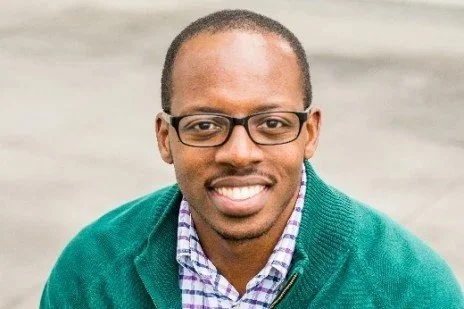
Terrell Turner is a 3x nationally ranked CPA, 2x Top 20 Global Finance Influencer. He is the founder of the TLTurner Group, which has been recognized in NYC Times Square and the NY Times as a top accounting and CFO firm that specializes in supporting law firms. Outside of running an accounting firm, Terrell hosts multiple vlogs and podcasts in addition to co-hosting The Unique CPA. Terrell is also a speaker and a content creator who regularly hosts and collaborates on video and audio content projects with multi-billion dollar corporations, bar associations, universities, and non-profit organizations.